
















Table of Contents
As the festive season winds down, consumers are left with more than just holiday leftovers – they’re often overwhelmed by a flood of ads that have saturated their feeds for weeks. Whether it’s inboxes overflowing with flash sales or websites that are impossible to access without various pop-ups and discount codes, consumers are constantly being fed thousands of ads across multiple channels.
In fact, research states that 67% of consumers experience marketing fatigue as early as November 1st, highlighting the massive risk of reduced engagement and negative brand perceptions by the time the holidays are over. With a constant exposure to an overload of promotions, consumers can start to tune out due to ad fatigue, even from brands they love.
Understanding Ad Fatigue
Let’s first define the issue – What is ad fatigue?
Forbes defines it as a phenomenon where consumers are exposed to large volumes of similar ads over an extended period of time. After weeks of aggressive holiday campaigns, this phenomenon is amplified – people are likely to become less responsive to the ads they are shown, and the drop in engagement means that advertisers can struggle to push users further down the funnel and campaigns experience a drop in ROI.
Recognising Early Signs
The main tell-tale signs of ad fatigue can be recognised through three key factors: frequency, CTR, and CPA.
- Increased Frequency: When your ad frequency starts to increase, this is a sign that an individual user has been exposed to your ads too many times.
- Lower Click-Through Rates (CTR): As CTR measures the number of users who click on the ad after viewing it, this metric is a key indicator of how engaging your ads are. A drop in CTR rates would suggest that users are gradually avoiding interacting with your ads.
- A Spike In Cost-per-Action (CPA): Once you see lower CTRs, your CPAs can also be impacted, as decreased engagement can result in users not taking the desired action that the ads are optimising towards.
Combating the Issue
As consumer engagement and spending starts to slow down after New Year’s Day, it’s crucial for brands to maintain the momentum they’ve already built from the holiday rush and shift towards a strategic reset, offering value-driven campaigns and relevant content.
Learn the most effective tips to approach this season strategically:
Creative Refresh and Rotation
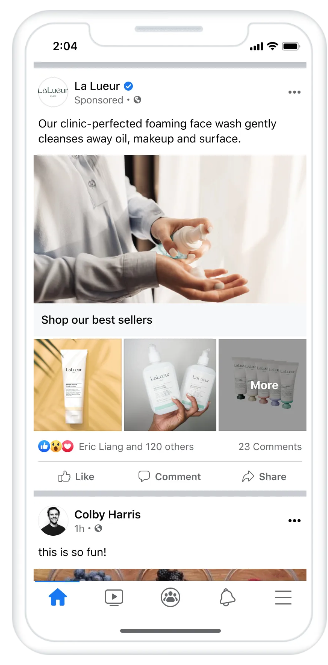
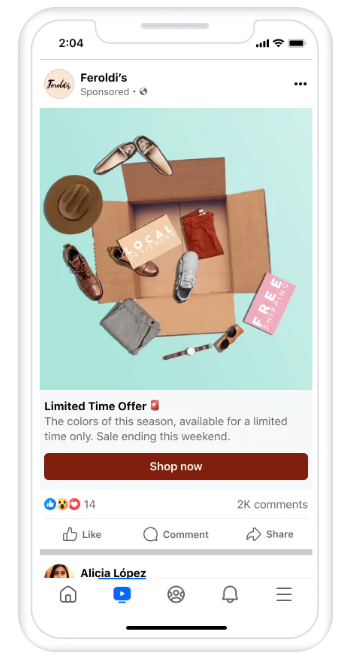
Swap out holiday-heavy visuals and messaging for themes that resonate in the new year, such as renewal or self-improvement. With January being a time for New Year’s resolutions, aligning with this trend and utilising buying behaviour insights hold great potential for your campaigns to feel more relevant. Consumers are also likely to recalibrate their budgets for the year ahead and only make spending exceptions for necessities. Through optimisations and rotations of creatives and copy, brands can actively tap into this consumer mindset, as users will then be exposed to ads that aren’t too repetitive and align with their renewed goals.
Additionally, Google’s Dynamic Search Ads (DSAs) are a great way to let the algorithm create multiple ad variations, using specific URLs from your website to help fill in the gaps of your keyword-based campaigns and keep your ads relevant. DSAs are capable of capturing any missed searches that have a high potential to convert, along with identifying new opportunities that your existing campaigns aren’t already targeting with keywords.
Brand-Building Ads
Following an overload of sales-heavy ads, brands can opt to focus on spreading awareness instead in January. By sharing memorable brand stories, businesses are not only ensuring they pump out lighter and more digestible content, but according to Meta they are also strategically placing themselves at the top of mind for their target audience.
Q5 Strategies
Major platforms like Meta & TikTok have recognised Q5 as the biggest opportunity for the lowest ad costs. Q5 is an underrated time period right after the holiday season between late December to late January, which marketers can take advantage of to connect with shoppers and maximise sales.
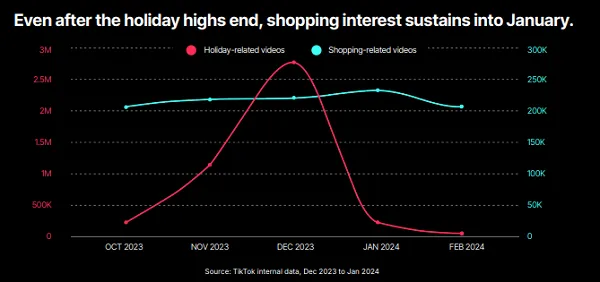
During this time, consumers are ready to be influenced and to make a purchase, which opens up a new window of opportunity for advertisers as competition drops and ad inventory prices (such as CPMs) decrease.
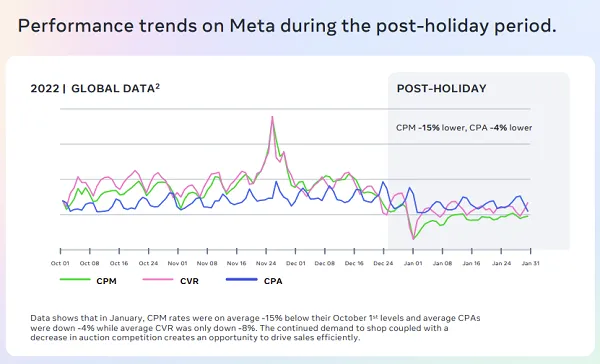
When looking at data from January 2023, performance trends on Meta showed that campaigns drove a 15% lower CPM and a 4% lower CPA:
Best practices for a successful Q5 campaign:
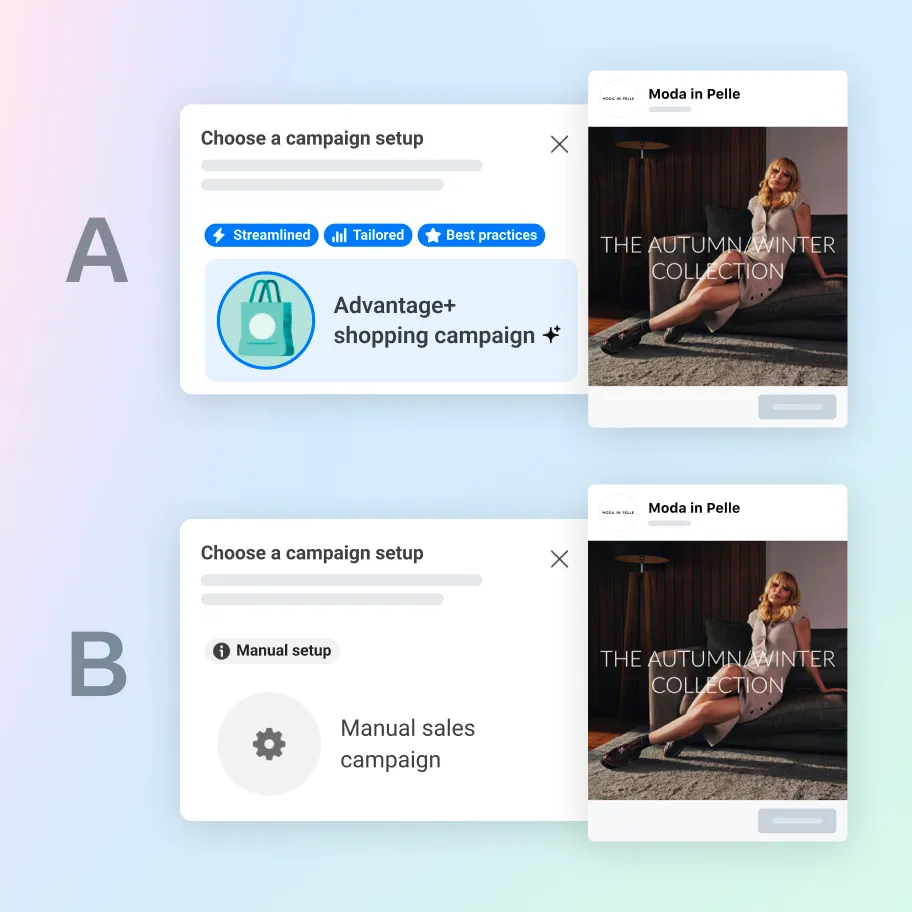
- Reach both new & existing customers with a Meta Advantage+ shopping campaign.
- Tap into creator content by partnering with relevant influencers to produce content like product reviews, shopping hauls, or unboxings, as these are known to help showcase products in a real and relatable way and build trust among target audiences.
- Create a sense of urgency for end-of-season sales consisting of back-in-stock or limited edition items.
- Use insights from your holiday campaigns to identify any successful tactics to roll into your Q5 strategy.
Refined Audience Targeting
After gathering a massive amount of data and traffic from your holiday campaigns, it’s time to retarget them – Start by segmenting audiences based on the actions they took (e.g. Site Visitors, Add to Carts). These pools of users have showcased their purchase intent and might need that extra nudge to convert, and retargeting these users allows you to focus on warmer audiences who are already familiar with your brand.
Take it one step further and build Lookalike audiences across both your Social and Search ad accounts to push the algorithm to cast a wider net and help you find people that are the most similar to your custom audiences.
Test, test, and test!
Measurement is key in helping brands understand the results their campaigns achieve and help them make data-backed decisions moving forward. With the post-holiday period being a massive chance to drive more results efficiently, advertisers should always rely on A/B testing to validate the campaigns’ results and use the learning to inform future campaigns. Whether that includes creatives, media setup, copy, or objectives – The opportunities to discover the most optimal campaign setup are endless.
Summary
As brands prepare to ramp up their marketing efforts for the upcoming holiday season, it’s important to be mindful of all the strategies that are available to help their campaigns reach their maximum potential.
Brands should ensure that their campaigns and messaging achieve a balance between relevance, personalisation, and timing in order to drive customer engagement without making them feel overwhelmed. WIth the right approach, businesses will be able to capture new customers, drive sales past the holiday period, and maintain brand loyalty.
Looking for expert guidance on how to ramp up your marketing efforts after the holiday rush? Contact GA Agency today and talk to our expert team to discover how we can help you succeed.

Article author

Chiara Riva
Business Development Assistant