


















On-Page SEO Agency
Our On-Page SEO services aim to enhance your website’s search engine visibility and user experience. Through comprehensive website audits, targeted keyword strategies, and content optimisation, we improve meta tags, headings, and keyword usage to align with relevant search queries.
Additionally, we focus on optimising loading speed, mobile responsiveness, and internal linking, contributing to improved search rankings and user engagement. Our team also emphasises creating valuable and engaging content, incorporating relevant keywords and structured data mark up to establish your website as an authoritative resource in your industry, driving organic traffic and a strong online presence.
Keyword Research
Discover new opportunities through keyword search and understand what your audience is searching for.
Content Creation
Content created around understanding the target audiences needs and behaviours, optimised to give signals to the search engines.
Title Tags & Meta Descriptions
Important not just for SEO to be discoverable, but also for user experience.
Image Optimisation
Optimise images so the search engines understand what your images are used for and how they complement your content.
UX/UI Check
User experience is a vital aspect of on-page SEO, understanding user intent and providing a rich user experience.
URL Structure
Create a hierarchy of pages and choose the most suitable SEO-friendly URL structure so it’s easy to understand.
Website Structure
Hierarchical is the best website structure as it’s easy for search engine bots to crawl your site.
Internal Links
Crucial part of SEO to understand how content on your site is related and it’s value.
Discover how we transform & grow Global Businesses
We showcase our expertise as a leading international digital marketing agency in boosting website revenue and driving exponential traffic growth.




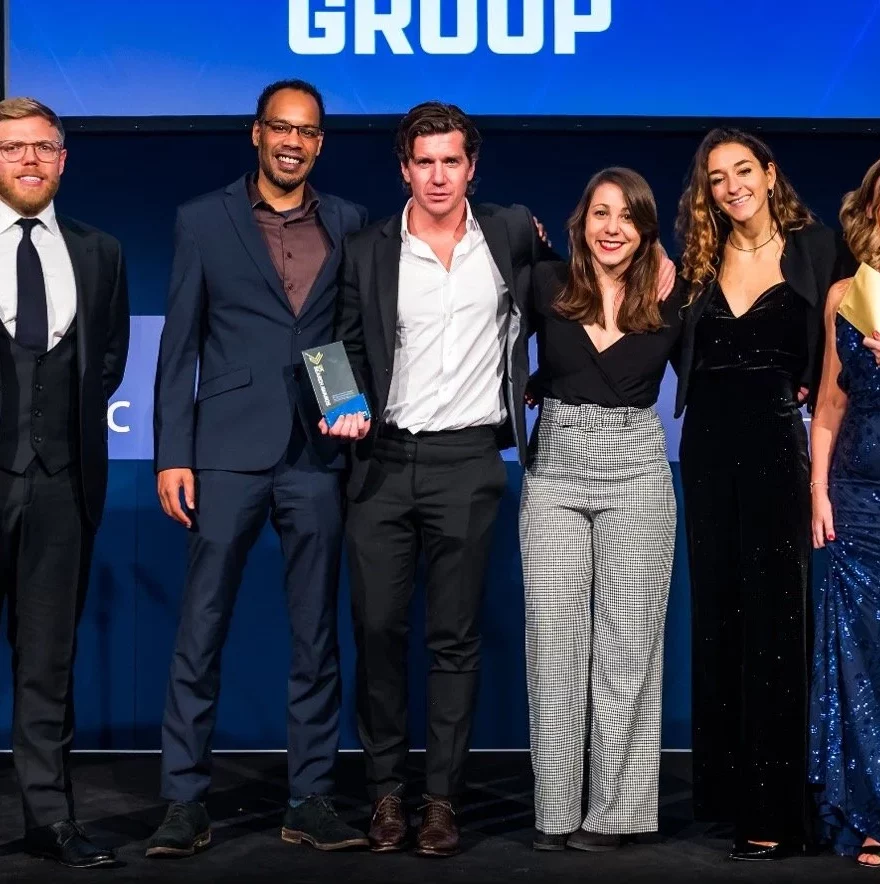





International SEO Case Study: Calzedonia’s 170% Growth
As a trusted international SEO agency partner, for almost four years, we’ve been working closely with the Calzedonia Group, focusing on improving the online presence of their key international fashion brands such as Calzedonia, Intimissimi, Tezenis and Falconeri. This partnership, now spanning 15 countries, has led to an impressive 170% increase in revenue for the Calzedonia Group
within just one year.
To make our collaboration more effective, we expanded the team by including experienced multilingual SEO experts for personalised content and ensured in-house native speakers in each market. As a global SEO company, our strategy also included creating content tailored to local audiences, conducting thorough keyword research and optimising technical aspects for better website performance. The results speak volumes about the success with a remarkable +170% growth in revenue, an increase in organic keywords, improved search visibility and enhanced local search rankings.
Why Choose GA Agency
GA Agency is an award-winning digital marketing agency helping brands all over the world grow their business and revenue in the online space. Our strategy and data-driven approach allow us to build an effective tailor-made digital marketing strategy to take your business to the next level, focusing on your company values and business goals.
With clients of all sizes, we provide support in both long-term strategical planning and short-term tactical planning tailored to your company.

International
Our global in-house team ensure we understand every nuance of your local market. We are able to deploy complex customised regional strategies with ease, perfectly aligned with your business goals.

Elevating expectations
We embrace the newest technology and adopt the best working practices. With crystal-clear objectives and transparent KPIs, we not only meet but go above and beyond, surpassing all expectations.

Impactful partnerships
Compatibility & transparency are the essence of every successful collaboration with our clients. We become an extension to your team, working hand in hand for your success and building trust through consistent communication and reporting.






Working with the best brands around the globe
Discover our clients


















Our international Awards
& Certifications


Frequently Asked Questions
What is On-Page SEO and Why is it Important?
On-page SEO refers to the optimisation of individual web pages to improve their search engine ranking and drive organic traffic. It is important because it helps search engines understand the content of a website and its relevance to specific search queries, ultimately leading to higher visibility and more targeted traffic.
What Are Some Examples of On-Page SEO Elements?
There are several on-page SEO elements that can be optimised to improve the ranking and visibility of a web page. Some examples of on-page SEO elements include:
- Title tag: A title tag is an HTML element that specifies the title of a web page. It should be optimised with relevant keywords and should accurately describe the content of the page.
- Meta description: A meta description is a brief summary of a web page that appears in search engine results pages. It should include relevant keywords and encourage users to click through to the page.
- Header tags: Header tags (H1, H2, H3, etc.) are HTML elements that organise the content of a web page into sections. They should be used to structure the content and should include relevant keywords.
- Content: The content of a web page should be high-quality, relevant, and informative. It should be optimised with relevant keywords and should provide value to the user.
- Internal linking: Internal linking refers to the links within a website that point to other pages on the same website. It helps to improve the user experience and can also help to distribute link equity throughout the site.
- Image optimisation: Images on a web page should be optimised with descriptive file names, alt tags, and title tags. This helps search engines to understand the content of the images and can also improve the user experience.
By optimising these on-page SEO elements, businesses can improve the relevance and quality of their web pages, attract more targeted traffic, and improve their search engine rankings.
How Important is Content for On-Page SEO?
Content is extremely important for on-page SEO as it is the main way to communicate with the search engines and provide value to the user. High-quality, relevant, and informative content optimised with relevant keywords can help to improve a website’s search engine ranking and attract more targeted traffic.
What is the Difference Between On-Page SEO and Off-Page SEO?
On-page SEO refers to the optimisation of individual web pages to improve their search engine ranking and drive organic traffic. It involves optimising technical and content elements such as content, title tags, meta descriptions, header tags, internal linking, and image optimisation. The main goal of on-page SEO is to make it easier for search engines to understand the content of a website and its relevance to specific search queries.
Off-page SEO, on the other hand, refers to the activities that are done outside of a website to improve its search engine ranking and visibility. This includes tactics such as link building, social media marketing, influencer outreach, and online reputation management. The main goal of off-page SEO is to build authority and trust with search engines and users by demonstrating the value and relevance of a website.
In summary, while on-page SEO focuses on optimising individual web pages to improve their search engine ranking, off-page SEO focuses on building authority and trust through activities done outside of the website. Both are important for improving a website’s search engine ranking and visibility and should be included in any comprehensive SEO strategy.


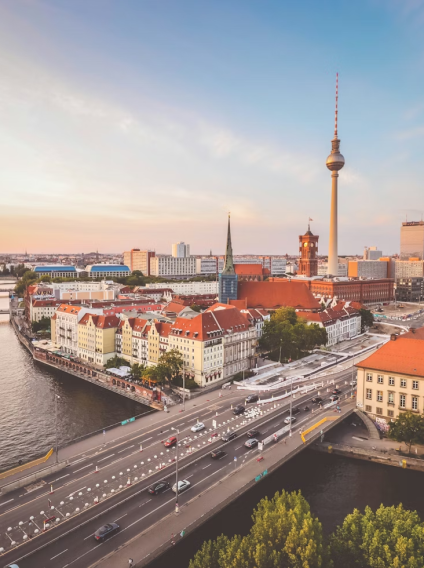















Grow your business globally, in any language
Expand into new markets with native specialists who understand local search behaviour, language, culture and competition.
Our team supports SEO, paid media, content and analytics across 18 languages, helping your campaigns feel local in every market.
Providing dynamic marketing solutions for every industry
With our in-depth understanding of diverse markets and expertise, we navigate unique challenges and leverage the untapped potential in your specific industry.









Our Tools & Tech Stacks
Our work is supported by trusted third-party industry tools, helping us make every decision clearer, faster and more accountable.