
















Table of Contents
The world of search is evolving at breakneck speed, and the strategies that once guaranteed visibility are no longer a sure bet. With AI-driven search, Google’s ever-tightening algorithms, and the rise of zero-click results, the fight for organic traffic is becoming more competitive — and more unpredictable — than ever.
As SEO grows in complexity, so does its market — valued at $82.3 billion in 2023, it’s projected to reach $143.9 billion by 2030, growing at a CAGR of 8.3%. Businesses are investing more than ever to stay ahead, but keeping up requires more than just chasing the latest SEO trends.
The real challenge isn’t just adaptation — it’s balancing innovation with time-tested strategies that still drive results.
In this article, we’ll break down the key SEO trends shaping 2025, from the dominance of AI-driven search to the increasing importance of E-E-A-T.
More importantly, we’ll provide actionable insights to help you navigate these changes, stay relevant, and maintain your competitive edge.
AI-Driven SEO Trends in 2025
Artificial intelligence (AI) is revolutionising the world of SEO, redefining how content is crafted and consumed. The rapid development of AI technologies has made it a central component of search engine algorithms, shifting the focus towards smarter and more intuitive search experiences. As of January 2025, AI Overviews now appear in 30% of search results, and 74% of problem-solving queries, signaling a major shift in how users interact with search engines.
For marketers, this evolution presents both opportunities and challenges. While 99% of generative AI users still rely on traditional search engines, the growing integration of AI into search means ranking strategies must adapt. This also highlights that while Google continues to dominate with the highest volume of desktop page visits, AI-powered platforms are slowly gaining traction, underscoring the importance of paying attention to these emerging search models.
Leveraging AI effectively can enhance visibility, improve user engagement, and drive better search rankings. Let’s explore how AI-driven innovations are shaping SEO trends in 2025.
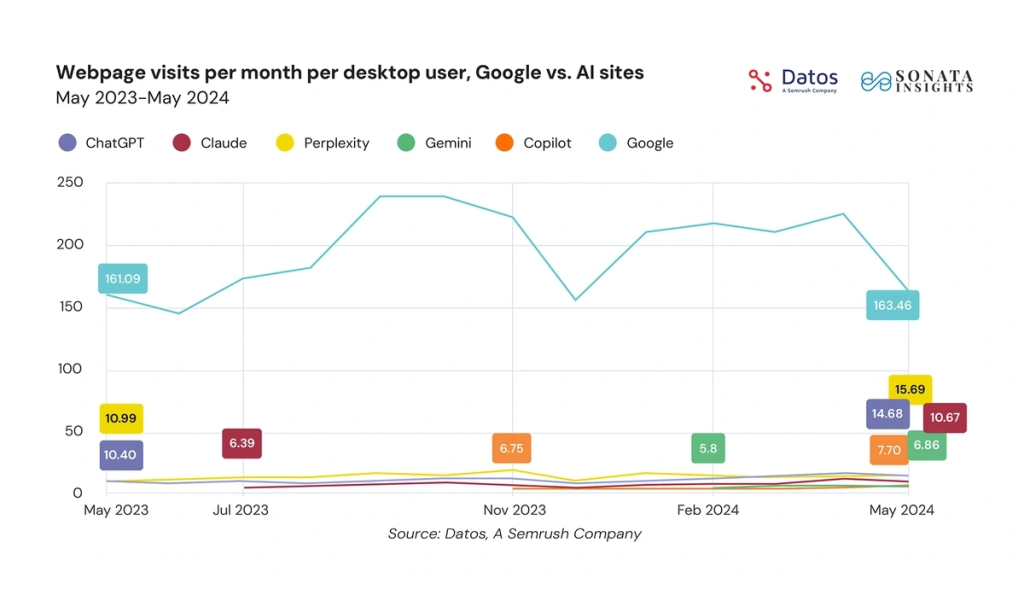
Among all generative AI platforms, ChatGPT is experiencing the fastest growth, with Gemini, Copilot, Claude, and Perplexity following closely behind
SGE & AI’s Impact on Search
As search engines evolve, the way we approach SEO must evolve with them. The introduction of Google’s Search Generative Experience (SGE), now known as AI Overviews, is a game-changer for SEO trends, with AI transforming search results from simple lists of links into highly curated, context-aware answers. The shift toward AI-driven search is fundamentally altering how users engage with search engines, making search intent, content relevancy, and structure more critical than ever. Instead of focusing solely on ranking for keywords, brands must now optimise for AI-driven responses that align with how these technologies interpret and summarise content.
To thrive in this new era, content creators must focus on structured data, ensuring that their content is not only informative but also easily digestible for AI systems. The use of schema markup, clear headings, and rich content are essential to making your pages suitable for AI algorithms. At the same time, factual accuracy and authoritative sources will determine how likely a piece of content is to be featured in AI-generated summaries, snippets, or answers, directly impacting visibility.
In addition, AI’s ability to understand context and user intent means that SEO is now a more dynamic process. It’s not about targeting static keywords, but about optimising for evolving, user-driven searches. To stay ahead, marketers need to employ AI-powered analytics tools to gain insights into user behaviour, search patterns, and query variations that can better predict and adapt to future trends.
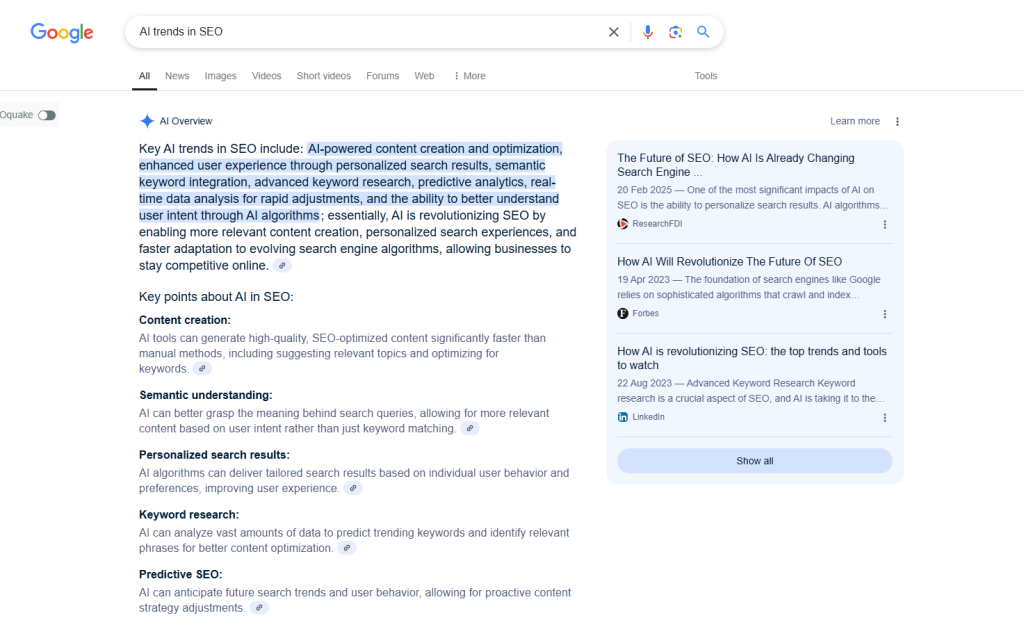
Google’s AI Overview is transforming how search results are presented, providing users with concise, contextually relevant answers directly within the search interface.
The Rise of Long-Tail Search
In 2025, the shift toward longer tail, conversational search queries is set to accelerate, driven by AI’s improved ability to understand detailed information. As AI-driven assistants become more commonplace, users are increasingly inclined to ask detailed, specific questions, moving away from the short, generic keywords of the past. This growing trend towards conversational and natural language queries represents a massive opportunity for brands to better align with user intent.
To capitalise on this, businesses must prioritise Answer Engine Optimisation (AEO), a strategic approach that focuses on delivering highly targeted answers to specific, user-driven queries. This approach goes beyond traditional SEO by emphasising the need to address niche questions with depth and clarity, anticipating what users want to know and providing comprehensive solutions. By doing so, brands can improve their chances of appearing in AI overviews.
Content must be highly relevant and structured to match this more conversational search behaviour, and marketers should leverage AI-driven tools to analyse evolving search patterns. By identifying long-tail keywords and predicting user intent with greater accuracy, businesses can remain agile and relevant, ensuring that they meet the increasingly specific and complex needs of their target audiences.
Image by Growtika on Unsplash
Mastering Localised Search
AI-driven algorithms are pushing search personalisation to new heights, factoring in elements like location, user behaviour, and search history. This trend is particularly crucial for businesses with physical locations or regional audiences. For these businesses, optimising Google Business Profile (GBP) and creating localised content strategies will be key to boosting visibility in search results.
Search engines are also becoming more adept at understanding regional language variations, cultural nuances, and local trends. To stay ahead, brands must tailor their SEO strategies to address the unique needs of each geographical market. Focusing on local keywords, location-specific pages, and personalised content will ensure businesses remain relevant and visible to their target audiences.
Ready to excel in international SEO? Optimise your content and localise your strategy for AI-driven SEO success. Contact us today to elevate your digital presence globally in 2025!
Winning with Zero-Click Searches
The rise of AI Overviews is driving the growth of zero-click searches. AI Overviews summarise key information and display direct answers on SERPs, allowing users to find what they need without leaving the page. Zero-click searches occur when users get answers directly on the SERP, without clicking through to websites.
This trend is growing with features like Google’s Featured Snippets, Knowledge Panels, and AI-driven results. In 2024, almost 60% of EU Google searches and over 58% of American ones resulted in zero-clicks, highlighting the increasing importance of this shift in search behaviour.
For SEO, this shift means that creating high-quality, user-first content optimised for AI Overviews is essential. To stay visible in this new landscape, businesses must provide clear, authoritative answers that align with how AI interprets and summarises content. Optimising for zero-click searches ensures your brand remains relevant and top-of-mind when users are ready to convert.While zero-click searches mean fewer traditional website visits, appearing in AI Overviews is still crucial. Google displays the source of the information, meaning brands that are featured gain significant visibility, credibility, and trust. Being recognised in AI Overviews signals that Google views your content as authoritative and reliable, reinforcing your expertise in the eyes of users.
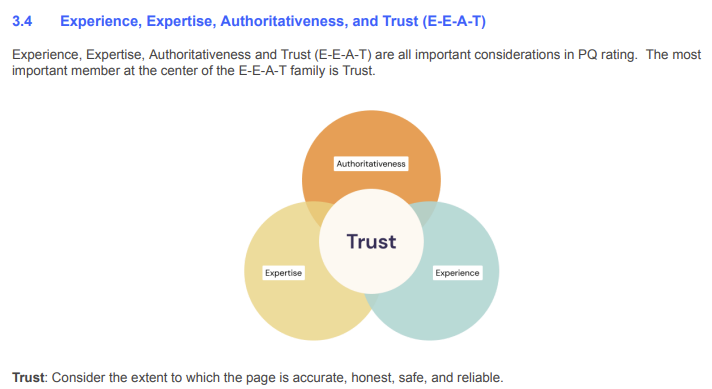
This ties directly to Google’s E-E-A-T (Experience, Expertise, Authoritativeness, and Trustworthiness) framework. If your content is consistently surfaced in AI Overviews, it suggests Google sees your brand as a trusted source, increasing your influence and positioning you as a go-to authority in your industry. Optimising for zero-click searches ensures your brand remains top-of-mind when users are ready to convert, even if they don’t click immediately.
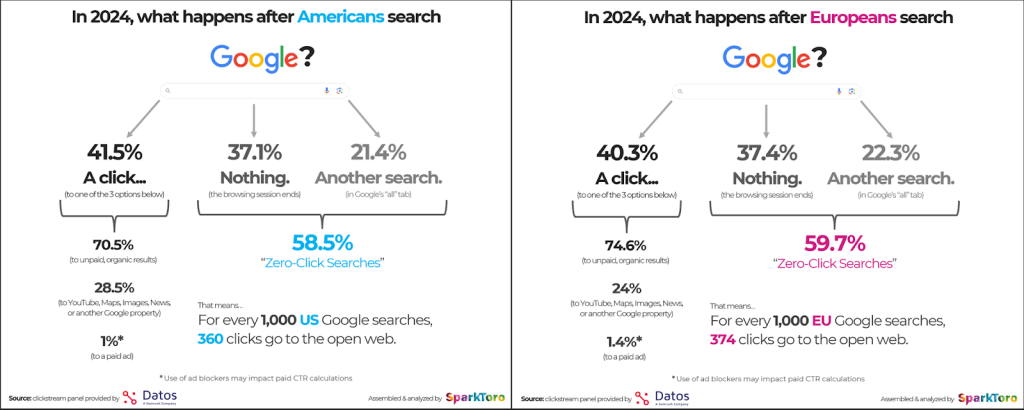
In 2024, almost 60% of EU Google searches and over 58% of American ones resulted in zero clicks.
Adapt your SEO strategy for an AI-driven future! Contact us today to optimise your content and plan your next steps toward digital growth in 2025.
Understanding Search Intent & Relevant Content
In 2025 SEO trends, search intent is set to eclipse traditional “content is king” thinking. As search engines evolve, particularly with AI-driven advancements, understanding and aligning with user intent has become paramount. Google’s latest Quality Rating guidelines now place a significant emphasis on search intent, signaling a major shift in how content should be crafted.
Gone are the days of producing content just for the sake of ranking. Instead, the focus has moved towards creating meaningful, insightful content that aligns with specific user needs. AI’s role in marketing is also growing, prompting a shift towards personalised content strategies that cater to evolving search intent. In 2025, relevance and contextuality will be the key drivers of SEO success.
Why E-E-A-T Matters More Than Ever
The addition of the “Experience” element to E-E-A-T (Expertise, Authoritativeness, Trustworthiness, and Experience) reflects how critical it is to demonstrate both credibility and real-world experience in the content you produce. In 2025, this focus is becoming even sharper, with search engines seeking out genuine expertise and authentic experiences.
Merely publishing articles on a given topic won’t be enough; your content must clearly demonstrate expert-level knowledge and relevant experience to rank. High-quality content that authentically answers user questions, backed by real-life experience, will be essential.
To strengthen your E-E-A-T signals, prioritise human-first content that not only informs but also engages your audience. Consider including expert insights, user-generated content, case studies, and customer testimonials, which serve as powerful tools to build trust and showcase your authority. By focusing on these elements, businesses can not only boost their SEO rankings but also foster deeper connections with users, ultimately improving search visibility and brand credibility.
The Growing Importance of Technical SEO
Content alone is no longer enough to drive SEO success. While on-page optimisation once dominated SEO strategies, Google’s evolving algorithms are now placing increased emphasis on the overall quality of the website, not just its content. In 2025, Technical SEO is becoming more critical than ever, serving as a cornerstone for a successful online presence.
One of the key drivers of this shift is user experience (UX), which is now a primary factor in Google’s ranking criteria. Elements such as page speed, mobile responsiveness, and clear website structure are vital for ensuring that both users and search engines can navigate and interact with your site seamlessly. As Google continues to prioritise sites that deliver fast, smooth, and user-friendly experiences, focusing on technical SEO will ensure that your site meets the evolving demands of modern search engines and user expectations.
Picture by Shutter Speed on Unsplash
Ensure your site ranks higher with top-tier Technical SEO. Reach out today for a consultation!
Embracing Alternative Search Platforms
Search is evolving beyond traditional engines like Google. Platforms such as Amazon, Pinterest, and social media channels like TikTok are becoming integral parts of the search ecosystem, each offering unique opportunities to engage audiences in fresh ways.
Despite these shifts, SEO remains as essential as ever. According to the Ofcom Online Nation 2024 report, Google continues to be the dominant search engine, but diversifying search strategies is crucial for reaching broader audiences.
How to Adapt to New Search Landscapes
To successfully navigate this evolving landscape, consider the following strategies:
- Optimise for visibility across different platforms by tailoring your approach to specific user behaviors and search patterns on each platform.
- Adapt content for platform-specific search algorithms, ensuring your content is optimized for Amazon’s shopping-focused search or TikTok’s video-first search environment.
- Use social media hashtags and relevant descriptions to improve content discoverability on platforms like Instagram, Twitter, and TikTok.
- Create engaging content formats such as videos, infographics, and shoppable posts that perform well on visual and e-commerce platforms like Pinterest and Amazon.
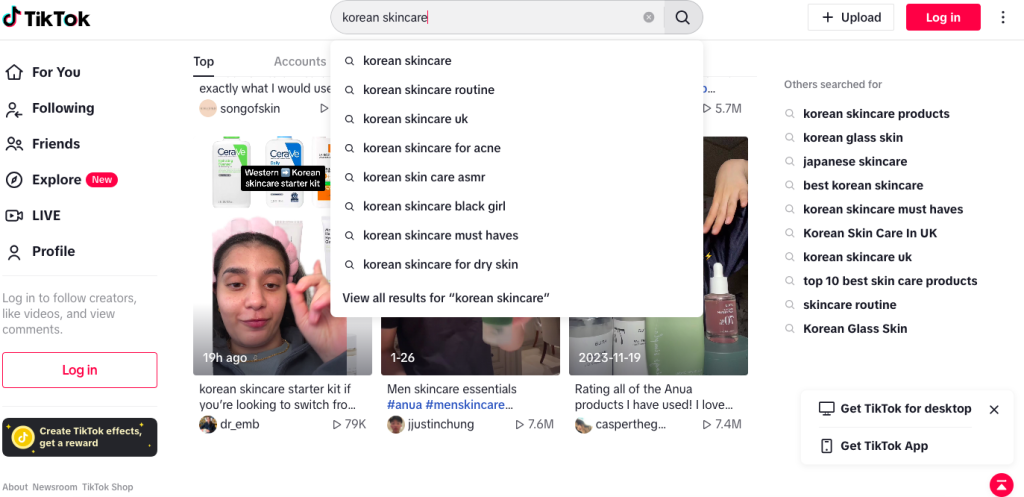
Alternative search engines like TikTok, Amazon, and Pinterest are reshaping how users discover content, making it essential for brands to optimise for these platforms in addition to traditional search engines.
Optimising for Voice & Visual Search in 2025
Voice and visual search are becoming integral to SEO trends and strategies in 2025, driven by AI-powered voice assistants like Google Assistant and ChatGPT. As more users rely on these tools, search queries are becoming increasingly conversational and intent-driven. In fact, over 1 billion voice searches are made globally every month, highlighting the growing importance of voice search. Additionally, about 41% of U.S. adults now use voice search daily, underlining its shift toward mainstream use.
Google is also advancing multimodal search, allowing users to combine text, voice, and images, such as through Google Lens. This evolution makes it essential for brands to optimise content not only for voice but also for visual searches. As voice search becomes easier and faster — 90% of users report preferring it to typing — optimising content for natural language queries is crucial.
To fully capitalise on these trends, brands should ensure their images are well-tagged with descriptive alt text and focus on creating engaging multimedia content, like videos and infographics, which can significantly increase user interaction and improve search visibility.
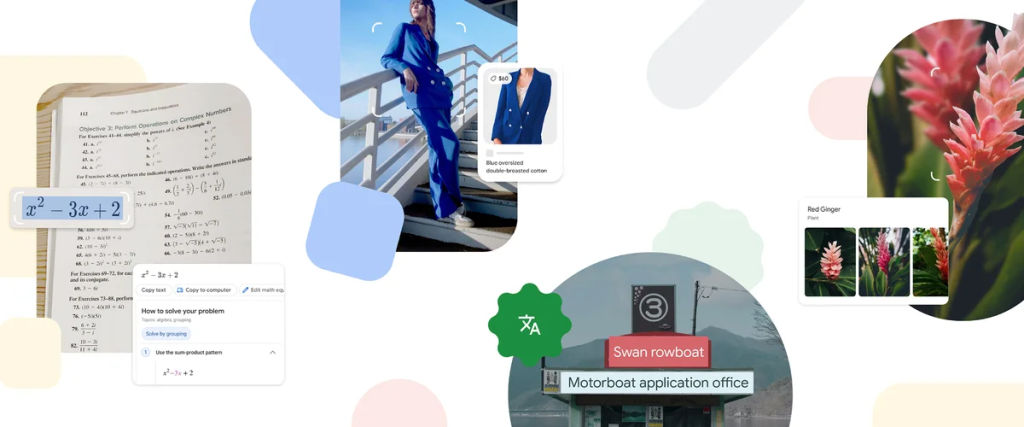
Google Lens allows users to search using images, enhancing the search experience by providing context and relevant information based on visual input.
Navigating the digital ecosystem requires experience. Our digital marketing services are here to drive your success — contact us to learn more!
Maximising SEO with Video Content
Video continues to dominate SEO in 2025, with platforms like YouTube, TikTok, and Instagram driving traffic and engagement. YouTube reaches 2.5 billion users, making it the second-largest search engine, and video now accounts for 82% of all internet traffic. In fact, video content is 53 times more likely to generate organic search rankings compared to plain text.
To leverage this trend, focus on creating engaging, high-quality videos that address user pain points and include optimised titles, descriptions, and tags. Adding transcripts improves accessibility and search visibility. Video also attracts backlinks, a key ranking factor, making it essential for SEO success.

Optimising video content with relevant keywords, clear descriptions, and transcripts is essential for boosting visibility and improving rankings in search results.
The Shift to First-Party Data and Privacy Search SEO
With Google phasing out third-party cookies, first-party data is becoming the cornerstone of personalisation and targeted marketing. By leveraging insights from email sign-ups, loyalty programs, surveys, and other direct user interactions, brands can ensure they remain relevant and compliant with emerging privacy standards.
As privacy regulations like GDPR and CCPA continue to reshape the digital landscape, it’s crucial for brands to adopt transparent data collection strategies. Ethical data handling is now a key trust signal, driving user engagement and long-term loyalty. To adapt, brands should prioritise privacy-compliant SEO practices, ensuring data protection and strengthening relationships with their audience while maintaining sustainable search visibility.
Key Takeaways from SEO Trends in 2025
- AI-Driven SEO: Artificial intelligence is revolutionising SEO, with AI Overviews appearing in 30% of search results and 74% of problem-solving queries. SEO strategies must adapt to AI-driven search, focusing on structured data, content relevancy, and user intent to stay ahead.
- AI Overviews: Google AI Overviews are transforming search results into context-aware, AI-driven answers. Optimising content for AI systems, using schema markup, and ensuring factual accuracy are crucial for visibility in AI summaries and snippets.
- Long-Tail & Conversational Search: Users are increasingly making long-tail, conversational searches. Businesses must adopt Answer Engine Optimisation (AEO), which focuses on delivering highly relevant, specific answers to user queries and aligns with AI-driven responses.
- Localised Search: AI-driven algorithms are pushing search personalisation, making it essential for businesses to optimise for local search through Google Business Profile and location-based content strategies to remain visible in regional markets.
- Zero-Click Searches: The rise of AI Overviews and zero-click searches means businesses must create concise, authoritative content that directly answers user queries without requiring them to click through to websites.
- Search Intent & Relevant Content: SEO in 2025 is about aligning with search intent rather than just ranking for keywords. Content must be user-focused and contextually relevant to meet the evolving needs of search engine algorithms.
- E-E-A-T: In 2025, demonstrating experience, expertise, authoritativeness, and trustworthiness (E-E-A-T) is essential. Brands must prioritise high-quality, human-first content, backed by real-world experience and expert insights.
- Alternative Search Platforms: Platforms like TikTok, Amazon, and Pinterest are reshaping search behaviour. Businesses must optimise their content for these platforms’ unique search algorithms to reach broader audiences and stay relevant.
- Voice & Visual Search: With over 1 billion voice searches made monthly, optimising for voice search and visual search (e.g., Google Lens) is critical. Brands should ensure their content is voice-friendly and image-optimised for better visibility.
- Video Content: Video continues to dominate SEO, driving traffic and engagement. Video content is 53 times more likely to rank organically. Optimising video titles, descriptions, and tags can significantly improve search visibility.
- Technical SEO: In 2025, Technical SEO is critical. Page speed, mobile responsiveness, and website structure are key factors in improving user experience (UX) and ensuring your site ranks well. Mobile-first indexing is non-negotiable, with more than half of global traffic coming from mobile devices.
- First-Party Data & Privacy: As Google phases out third-party cookies, first-party data becomes the cornerstone of personalised marketing. Brands must comply with privacy regulations (e.g., GDPR, CCPA) and adopt ethical data collection practices to maintain trust and visibility.
Future-Proof Your SEO Strategy for 2025 & Beyond
The digital marketing landscape is changing quickly in 2025, and staying on top of SEO trends is key to driving more traffic and keeping your business competitive. It can be overwhelming to stay ahead of all the shifts, but we’re here to help.
Get in touch with us today, and let’s work together on a custom SEO strategy that will position your brand for long-term growth and success in this fast-paced digital world.

Article author

Chiara Riva
Business Development Assistant