
















Table of Contents
A successful marketing strategy for a diverse and demanding American audience should incorporate important US holidays, ensuring continuous relevance and engagement throughout the year. To be able to proactively connect with customers at the right time, It’s crucial for marketers to plan content in advance with an up-to-date US marketing calendar, and align not only with major shopping events but also cultural and national celebrations.
If you want to be well–prepared when significant events occur, here’s a list of key marketing dates in 2025 you don’t want to miss when planning your marketing campaigns.
Key Marketing Calendar Dates & US Holiday List for 2025
(In bold is a list of US federal holidays where most citizens are given time off from work.)
- 1st January – New Year’s Day
- 20th January – Martin Luther King Jr Day
- 1st February – 1st March – Black History Month
- 9th February – Super Bowl
- 14th February – Valentine’s Day
- 17th February – Presidents’ Day
- 28th February- 29th March- Ramadan
- 8th March – International Women’s Day
- 17th March – St. Patrick’s Day
- 1st April – April’s Fool’s Day
- 5th April – NCAA Final Four
- 20th April – Easter Sunday
- 22nd April – Earth Day
- 1st May – 31st May – Mental Health Awareness Month
- 5th May – Cinco de Mayo
- 11th May – Mother’s Day
- 26th May – Memorial Day
- 1st June – 30th June – Pride Month
- 14th June – American Flag Day
- 15th June – Father’s Day
- 19th June – Juneteenth
- 4th July – Independence Day
- Mid July – Amazon Prime Day
- August – Back to school season
- 26th August – Women’s Equality Day
- 1st September – Labor Day
- 15th September – National Hispanic Heritage Month Start
- 13th October – Columbus Day
- 20th October – Diwali
- 31st October – Halloween
- 11th November – Veterans Day
- 27th November – Thanksgiving
- 28th November – Black Friday
- 29th November – Small Business Saturday
- 1st December – Cyber Monday
- 14th- 22nd December – Hanukkah
- 25th December – Christmas Day
- 26th December – 1st January – Kwanzaa
- 31st December – New Years Eve
Are you ready to go global? Discover our international SEO services designed to optimise your website for audiences across the world.
January
January marks the start of new beginnings and fresh goals. As people return to their routines after a cosy Christmas break, it’s the perfect time to plan for the year ahead. To help you plan ahead, our US holiday list provides key dates to keep in mind.
New Year’s Day (January 1)
This celebration often begins the night before with New Year’s Eve parties, fireworks, and the famous ball drop in Times Square, NYC. On New Year’s Day, many enjoy parades, football games, and gatherings with family and friends, making it a festive and reflective holiday.
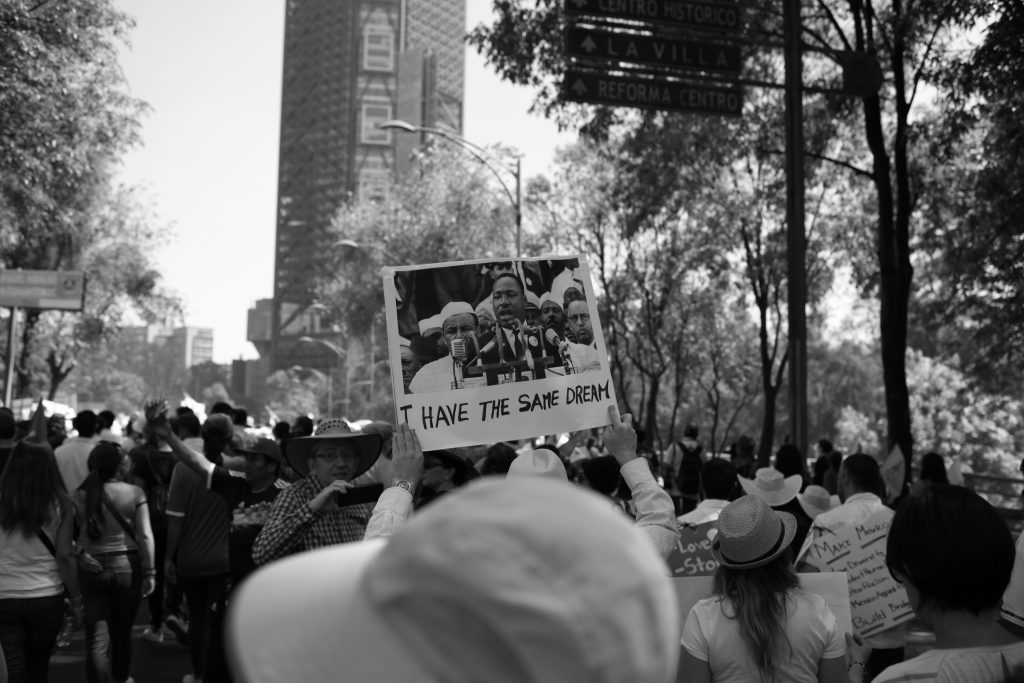
Martin Luther King Jr. Day (January 20)
On the third Monday of January, Americans honour the legacy of the civil rights leader Dr. Martin Luther King Jr. and his contributions to the fight for racial equality and justice in America. Many people participate in community service projects, educational events, and discussions on civil rights issues, reflecting Dr. King’s message of non-violent activism and his dream of an equal society.
February
In February, the pace of the year picks up, and important occasions such as the Super Bowl and Black History Month approach. Stay organised and make the most of these opportunities with our US marketing calendar, designed to help you navigate the month effectively.
Black History Month (February 1 – March 1)
Black History Month is a dedicated time to honour and celebrate the rich history, achievements, and contributions of Black individuals and communities. Schools, organisations, and communities host events, educational programs, and discussions to highlight the legacy and ongoing influence of Black history in American culture and society.
Super Bowl (February 9)
Held annually on the first or second Sunday in February, The Super Bowl is the championship game of the National Football League (NFL) and one of the biggest sporting events in the United States. It features the winners of the NFL’s two conferences, the AFC and the NFC, battling for the coveted Vince Lombardi Trophy. Known for its high-stakes football, elaborate half-time shows, and memorable commercials, the Super Bowl attracts millions of viewers and has become a cultural phenomenon that extends beyond sports.
Valentine’s Day (February 14)
Shops are filled with chocolates and cards, restaurants have been booked a week before and bouquets are moving around the cities. It’s February 14th – the day of love and romance. While traditionally focused on romantic love, Valentine’s Day has evolved to encompass appreciation for all kinds of relationships, making it a cherished celebration of love in all its forms.
Presidents’ Day (February 17)
On the third Monday in February falls Presidents’ Day, a federal holiday marked by patriotic ceremonies, educational programs and sales promotions. Originally established in 1885 in celebration of George Washington, the nation’s first president, it later became a day to celebrate all US presidents, reflecting on their impact on America’s history.

March
March signals the transition into spring and features notable events like St. Patrick’s Day. Keep your planning on track and make the most of these occasions with our list of calendar holidays in the US.
International Women’s Day (March 8)
While gender equality remains a distant goal, it’s essential to advocate for progress consistently. March 8th serves as a global day to promote women’s rights, celebrate their achievements, and address the persistent challenges and inequalities they face. This day not only highlights the progress made but also underscores the ongoing need for commitment to a more inclusive and equitable society.
St. Patrick’s Day (March 17)
Ramadan is a sacred month in the Islamic calendar observed by millions of Muslims worldwide. It is a period dedicated to spiritual reflection, increased devotion, and self-discipline. During Ramadan, practitioners typically fast from dawn until sunset, using this time to strengthen their faith, engage in charitable acts, and seek forgiveness and spiritual growth. The month concludes with Eid al-Fitr, a festive celebration marking the end of fasting, characterised by communal prayers, feasts, and the giving of gifts.

Looking for a way to increase your brand awareness ? Explore our Paid Media services an discover how tailor-made advertisement can make the difference!
April
April brings the full bloom of spring and events like Easter into the spotlight. Use our US holiday list to stay on top of key marketing dates in 2025 and plan your activities effectively throughout the month.
April Fool’s Day (April 1)
The month kicks off with April Fool’s Day on the 1st, a day filled with fun and laughter. Celebrated with humour and creativity, it’s a time for playful pranks and jokes. Many media outlets and companies participate by sharing entertaining or whimsical stories and advertisements, adding to the day’s light-hearted spirit.
NCAA Final Four (April 5)
The NCAA Final Four is the culminating event of the NCAA Division I Men’s Basketball Tournament, typically held in early April. This highly anticipated sports spectacle features the last four remaining teams competing in a single-elimination format to determine the national champion. The event attracts enormous attention from basketball fans across the country, with intense games, high-stakes drama, and memorable moments.
Easter Sunday (April 20)
Easter Sunday in the United States is a vibrant and cherished celebration that combines religious reverence with festive traditions. Families and friends come together for gatherings and festive meals, most following the popular tradition of the Easter egg hunt, where children search for hidden eggs filled with candy or small toys. The day is also marked by the iconic White House Easter Egg Roll, a fun event featuring games and activities for the youngest.
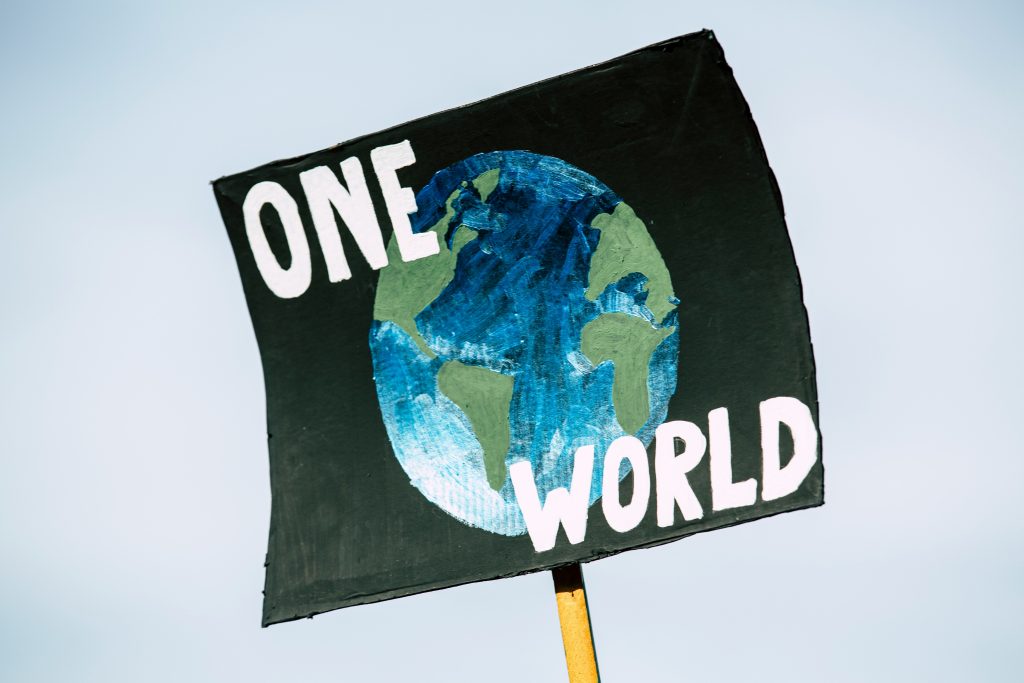
Earth Day (April 22)
As climate change, plastic pollution, and biodiversity loss remain pressing issues, Earth Day is a moment aimed at inspiring collective action and promoting sustainable practices. Educational workshops, community clean-ups and green technology exhibitions are scheduled on this day to unite people in their commitment to preserve our planet. In 2025, the focus theme is “Innovate for the Planet” highlighting the importance of creative solutions and technological advancements in addressing environmental challenges.
May
May in the United States is a lively and celebrative month that captures the essence of spring and the approach of summer. As flowers bloom and temperatures rise, some important US holidays take place.
Mental Health Awareness Month (May 1-31)
Since 1949, May has been recognised as Mental Health Awareness Month in the US, a designation established by Mental Health America. This month-long observance features educational campaigns, community events, workshops, and screenings nationwide. It acts as a vital reminder of the importance of mental health as a key component of overall well-being, promoting open dialogue and creating a supportive atmosphere for individuals facing mental health challenges.
Cinco de Mayo (May 5)
Cinco de Mayo, celebrated on May 5th, is a traditional Mexican holiday that commemorates the Battle of Puebla in 1862, where Mexican forces achieved a surprising victory over the French army. In the United States, the day has evolved into a lively celebration of Mexican culture and heritage, marked by festive parades, colourful decorations, and lively music. The festivities often include traditional foods like tacos, enchiladas, and guacamole, along with dance performances showcasing Mexican folk traditions.
Mother’s Day (May 11)
Mother’s Day is usually held in the US on the second Sunday in May and is a heartfelt occasion dedicated to honour mothers and their unconditional love and hard work. A day to reflect on the nurturing spirit and enduring impact of mother figures and express gratitude with simple gestures of appreciation and affection.
Memorial Day (May 26)
In the list of important calendar holidays in the US, Memorial Day stands out as a solemn occasion to honour the men and women who have died while serving in the military. Observed on the last Monday of May, it is marked by commemorative ceremonies, parades, and the decoration of graves with American flags and flowers. Memorial Day provides a moment for reflection and tribute, emphasising the sacrifices made by service members.

June
As June arrives, summer begins and events such as American Flag Day and Pride Month come into focus. Keep track of significant dates and plan your activities effectively with our US marketing calendar.
American Flag Day (June 14)
On June 14, 1777, the Continental Congress adopted the American Flag, and this day is still patriotically remembered every year across the country. June 14 honours the history and symbolism of the Stars and Stripes, which represent the unity, values, and freedom of the nation and serves as a reminder of the enduring principles of liberty and justice that the American flag embodies.
Father’s Day (June 15)
In the United States, Father’s Day is celebrated on the third Sunday of June. This day is set aside to honour and appreciate father figures, cherishing their guidance and support through special outings and meaningful meals.
Juneteenth (June 19)
June 19th is a significant holiday in the United States that commemorates the emancipation of enslaved African Americans. The day marks the announcement of the abolition of slavery in Texas in 1865 and is celebrated with various events that highlight African American culture, history and achievements. This recognition of freedom and resilience symbolises a continued commitment to equality and justice.
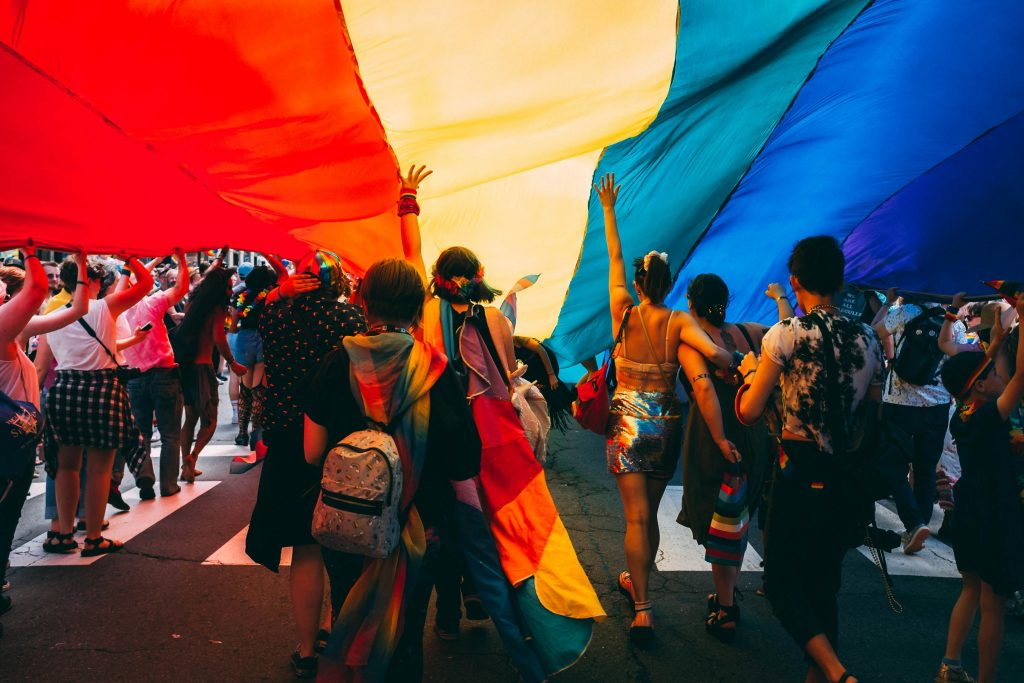
Pride Month (June)
June is also Pride Month, a vibrant celebration of the LGBTQ+ community, rooted in the Stonewall Riots of June 1969. The month features parades and events across the nation that honour diversity, foster community, and raise awareness about ongoing LGBTQ+ rights issues. Pride Month is a time for both festivity and reflection, acknowledging progress and the continued need for equality.
Looking for more information? Grow your global traffic with our International SEO white paper. We’ll help you attract and retain customers from various international markets.
July
July offers a time for summer festivities and important celebrations like Independence Day. Staying aware of these major US holidays will help you plan effectively and make the most of the month’s activities and opportunities.
Independence Day (July 4)
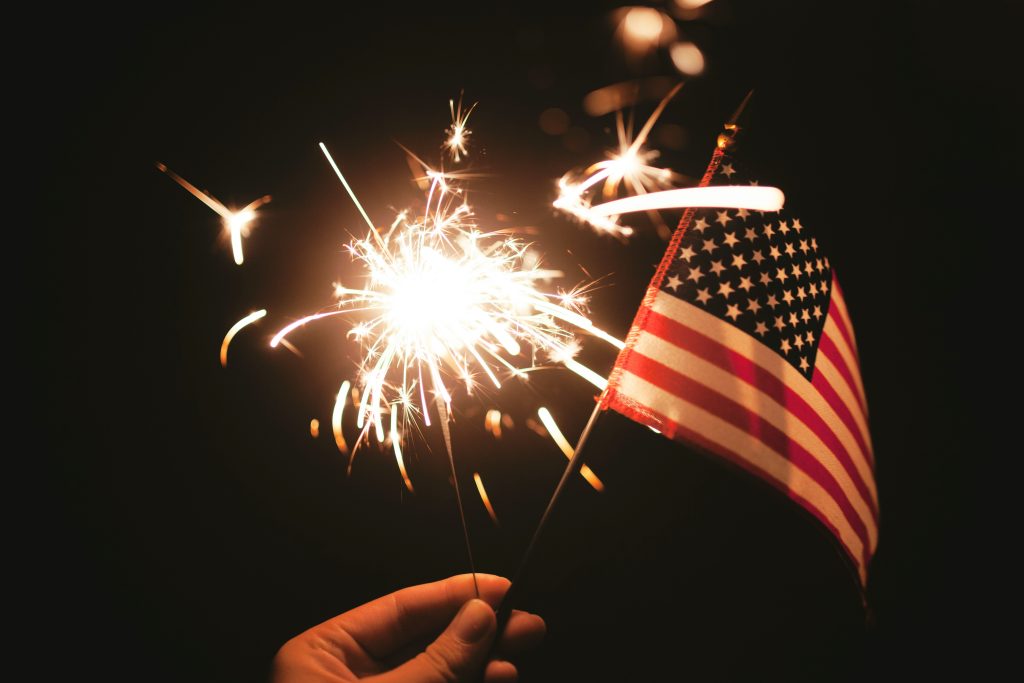
On July 4th, cities and towns across the nations are adorned in red, white and blue, firework shows and patriotic ceremonies are held in the main squares and a sense of shared heritage is fostered. It’s Independence Day, a patriotic holiday commemorating the adoption of the Declaration of Independence in 1776, when the thirteen American colonies declared their freedom from British rule. July 4th serves as a reminder of the country’s founding principles and the importance of protecting freedom and democracy.
Amazon Prime Day (Mid July)
Amazon Prime Day is one of the major shopping events of our times, grown to rival Black Friday and Cyber Monday in terms of sales and opportunity. In a couple of days usually in mid July, exclusive deals and discounts are offered on Amazon and new products are launched. People around the world prepare lists in advance, eager to satisfy their shopping cravings, and small businesses see an opportunity to boost their presence in the e-commerce arena. Amazon will disclose precise dates closer to the event.
August
In the United States, August signals the end of the summer season and the onset of back-to-school activities. Staying informed about important US holidays can help you optimise your planning and take advantage of the opportunities available during this time of transition.
Back to School Season (August)
August in the US marks the start of back to school season, when summer vacations draw to a close and families engage in a flurry of activities, from shopping for school supplies to reorganising schedules to adjust back to the academic routine. For marketers, this is a golden opportunity to tap into this shift and align your strategies with the back-to-school frenzy. It’s time to connect with your audience’s evolving needs as they transition into the academic season.
Women’s Equality Day (August 26)
Women’s Equality Day, celebrated on August 26th, marks the 1920 certification of the 19th Amendment, which gave women the right to vote. This day brings together organisations, activists, and communities to honour the suffrage pioneers and advocate for progress in women’s rights, such as equal pay, reproductive rights, and leadership roles. It reminds us to keep working towards equal opportunities and rights for all women.
September
The vibrant hues of fall foliage start to shine as September arrives. In the US marketing calendar, September is a time for various community festivals and harvest fairs, marking a month of transition and fresh starts.
Labor Day (September 1)
Celebrated on the first Monday of September, labour day is the national holiday dedicated to honouring the contributions and achievements of American workers. Originating in the late 19th century, when the labour movement’s pushed for better working conditions, it became a federal holiday in 1894. Labor Day marks the unofficial end of summer, offering a final long weekend for vacations, barbecues, and outdoor gatherings.
National Hispanic Heritage Month (Starts September 15)
In the second half of September, various events celebrate the rich history, culture, and contributions of Hispanic and Latino Americans. This period coincides with the independence anniversaries of several Latin American countries, fostering a deeper understanding and appreciation of Hispanic heritage while promoting unity and cultural pride across the United States.

Unsure on how to leverage the power of social media for business growth? Explore out Paid Social services and how they can enhance your online relevance.
October
October is the month for apple picking, hayrides, and pumpkin carving. It’s also the perfect time to pull out your spooky costumes and have some fun as winter approaches.
Columbus Day (October 13)
On the second Monday of October, the US traditionally recognizes Christopher Columbus’s arrival in the Americas on October 12, 1492. While initially celebrated as a commemoration of Columbus’s voyages, the holiday has become increasingly contested due to its association with the onset of colonisation and its adverse effects on indigenous communities. In response, many states and cities now observe Indigenous Peoples’ Day, focusing on acknowledging and honouring the history, culture, and contributions of Native American communities.
Diwali (October 20)
Also known as the Festival of Lights, Diwali is a major Hindu festival celebrated by millions of people worldwide. Spanning five days, it symbolises the triumph of light over darkness and good over evil. Diwali fosters a sense of community and holds profound spiritual significance, honouring the goddess Lakshmi, the deity of wealth and prosperity.
Halloween (October 31)
Halloween in the US blends ancient traditions with modern festivities, capturing a playful spirit that unites people in celebration. It originates from ancient Celtic festivals such as Samhain, but has evolved into a holiday characterised by spooky costumes, trick-or-treating, creative decorations, and horror movie marathons.

November
As the days get shorter and temperatures drop, November in the US brings a focus on Thanksgiving and the excitement of Black Friday shopping. It’s also a key month for marketers to update their US marketing calendars and strategise for these major events.
Veterans Day (November 11)
November 11 marks the anniversary of the armistice that ended World War I in 1918 and was originally observed as Armistice Day. Renamed Veterans Day in 1954, the holiday honours all American veterans, recognizing their bravery, sacrifice, and contributions to national security. Ceremonies and parades are held across the country, with many communities hosting events at war memorials and cemeteries.
Thanksgiving (November 27)
The fourth Thursday of November is dedicated to Thanksgiving in the United States, a time for family reunions and celebration. Originating from the 1621 harvest feast shared by the Pilgrims and the Wampanoag people, Thanksgiving has evolved into a time-honoured tradition. The holiday features festive meals, with roasted turkey as an iconic centrepiece, and several parades, including the famous Macy’s Thanksgiving Day Parade in New York City.
Black Friday (November 28)
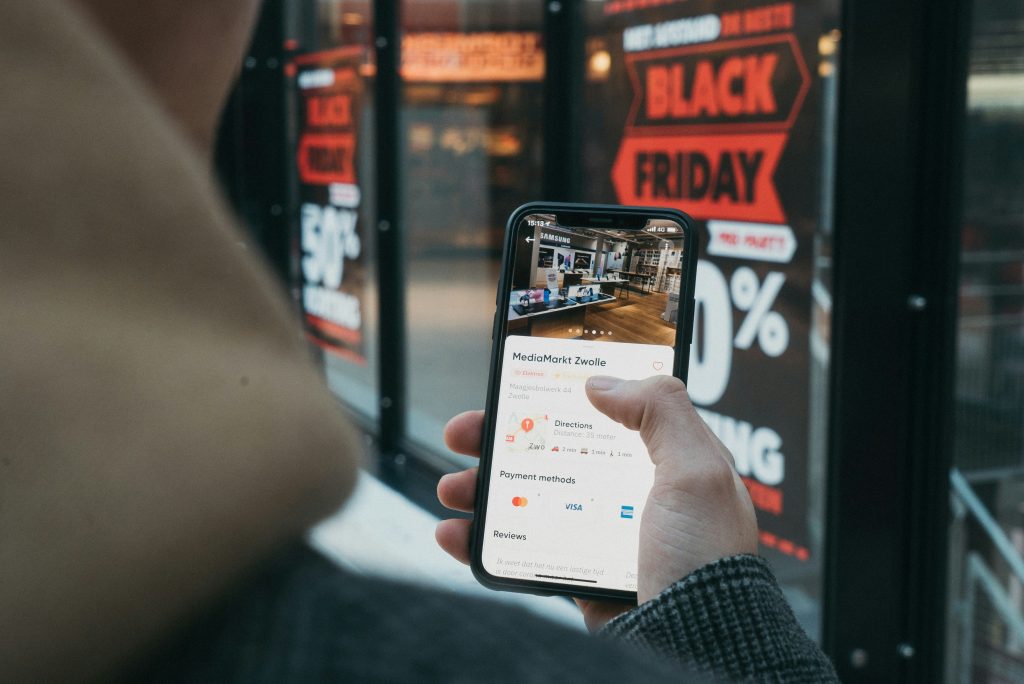
The day after Thanksgiving is known as Black Friday, marking the unofficial start of the holiday shopping season and one of the busiest retail days of the year. Coined in the 1960s, the term “Black Friday” refers to the time when retailers’ financials shift from being in the red (loss) to being in the black (profit) due to the surge in holiday shopping. Stores open early, offering special promotions and significant discounts, and e-commerce sites are bustling with competitive deals.
Small Business Saturday (November 29)
Small Business Saturday is celebrated annually on the Saturday following Thanksgiving and is a nationwide initiative encouraging consumers to support local businesses and entrepreneurs. Launched in 2010 by American Express, this observance highlights the crucial role small businesses play in their communities and the economy.
December
December in the US is a bustling month of festive cheer and holiday preparations. As winter takes hold, the country lights up with decorations, and both stores and online retailers see a surge in shopping activity as people hunt for the perfect gifts.
Cyber Monday (December 1)
The Monday after Thanksgiving, known as Cyber Monday, has become a major online shopping event in the US. Retailers enhance their digital platforms and offer significant discounts and exclusive deals. For e-commerce businesses, preparing in advance, ensuring secure transactions, and launching targeted marketing campaigns are essential.
Hanukkah (December 14 – December 22)
Hanukkah, an eight-day Jewish festival, usually takes place in December. It commemorates the rededication of the Second Temple in Jerusalem and the miracle of the menorah burning for eight days on a small amount of oil. In the US, Hanukkah is celebrated with traditions that highlight family, faith, and joy, including lighting the menorah, reciting blessings, and singing traditional songs.
Christmas (December 25)
Christmas is a time of goodwill and togetherness in the US, blending religious significance with cultural traditions. Families gather for festive meals, communities host parades and charity events, and children eagerly await Santa Claus’s arrival.
Kwanzaa (December 26 – January 1)
Kwanzaa, observed from December 26 to January 1, celebrates African American culture and heritage. Founded in 1966 by Dr. Maulana Karenga, the holiday is based on African traditions and emphasises the seven principles of Nguzo Saba: unity, self-determination, collective work, cooperative economics, purpose, creativity, and faith.
New Year’s Eve (December 31)
New Year’s Eve is marked by nationwide celebrations and festive gatherings. The most iconic event is the ball drop in New York City’s Times Square, watched by millions. As midnight approaches, fireworks light up the skies in many cities, and people make wishes for the coming year.

What Is an Annual Marketing Calendar and Why is It Essential?
An annual marketing calendar is a strategic planning tool that outlines key marketing activities, campaigns, and initiatives for the year. It helps marketers coordinate their efforts and ensure timely execution.
Top Benefits of Using a US Marketing Calendar for 2025
Implementing a US marketing calendar for 2025 offers several key advantages:
Strategic Planning
A marketing calendar aligns activities with key dates, trends, and seasonal opportunities, ensuring timely and strategic execution while allowing businesses to capitalise on high-traffic periods.
Effective Resource Allocation
It aids in budgeting and resource allocation, preventing last-minute rushes and ensuring optimal use of time and budget.
Consistent Marketing Presence
Using a marketing calendar maintains a steady and coherent marketing presence throughout the year, enhancing brand visibility and engagement with target audiences.
How a Marketing Calendar Boosts Your Marketing Strategy
A marketing calendar offers a clear roadmap, ensuring team alignment, timely deadlines, and cohesive implementation of marketing strategies. It enhances organisation, improves time management, and allows for effective tracking of progress against marketing goals in the US market. With a structured tool in place, you can better monitor American trends and social events, and adapt strategies to achieve more efficient and impactful marketing outcomes.
How to Format and Use Your US Marketing Calendar
To maximise the effectiveness of your US marketing calendar, ensure it is formatted for clarity and ease of sharing with your team. A well-organised calendar helps streamline collaboration and ensures everyone is on the same page.
Structure Your Calendar for Maximum Impact
When drafting your marketing calendar, consider these key elements:
- Layout: Choose a format that suits your needs, whether it’s monthly, weekly, or daily views.
- Setup: Begin by marking major holidays, industry events, and fiscal deadlines. Then, add significant marketing activities such as product launches, campaign dates, trade shows, and seasonal promotions.
Campaign Planning and Review
With your calendar in place, align your marketing efforts with key events and holidays by following these steps:
- Plan: Schedule product launches and content distribution around relevant events.
- Assign: Delegate tasks and deadlines to team members to ensure accountability.
- Track: Monitor progress and review ongoing campaigns regularly, adjusting schedules as needed.
- Evaluate: After each major event and at the end of the year, assess the effectiveness of your campaigns and calendar. Use these insights to make informed improvements for the future.
Tips for Effective Marketing Throughout the Year
Setting up a marketing calendar is a fundamental starting point for a marketing strategy, but don’t forget these evergreen tips to create engaging and shareable content.
Stay Relevant with Seasonal Trends
A well-structured marketing calendar allows for advanced content planning, but it’s essential to stay flexible. Be ready to adapt your content to current news and cultural trends, showing relevance and creativity in your offerings.
Utilise Social Media and Digital Platforms
Social media is indispensable for connecting with customers and boosting brand awareness. Use these platforms to share updates, discover new ways to engage with your audience, and leverage analytics to refine your strategies.
Personalise Your Marketing Campaigns
In a crowded digital space, standing out requires strategic personalisation. Reflect on your brand’s mission and values, identify your unique market niche, and tailor your campaigns to resonate with your audience. Choose a distinctive tone of voice and stay true to your brand while keeping an eye on trends.
Conclusion
Aligning your marketing efforts with major events and cultural milestones can significantly boost your relevance and connection with your audience. By acknowledging and celebrating these key dates, you can strengthen customer relationships and position your brand at the forefront of public conversation.
However, building a cohesive and effective digital marketing strategy is no small feat. It requires a deep understanding of the digital landscape, coupled with expert management of both technical and creative elements to stand out in a crowded market.
At GA Agency, we excel in every aspect of online customer acquisition and website performance. Our approach is both customised and world-class, ensuring your brand’s success. Explore our range of services and feel free to contact us for more information.
Happy planning!

Article author

Chiara Riva
Business Development Assistant