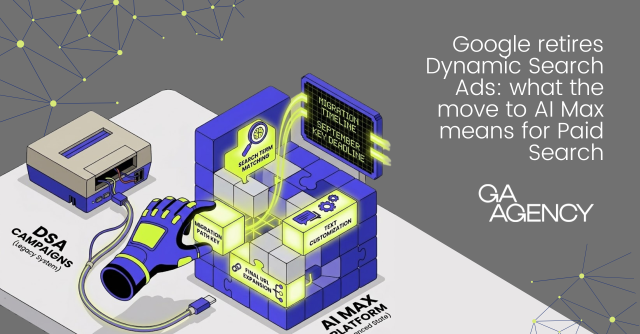


















In the latest evolution of Google Ads, AI Max for Search campaigns is here — and it’s a game-changer. Designed to boost ad performance using the power of Google’s AI, this suite of features enhances targeting precision, ad customization, and campaign efficiency in real-time. For businesses looking to scale their paid search results, AI Max offers a faster, smarter way to connect with more of the right customers.
Here’s how it works, why it matters, and what you need to know to make the most of it.
What is AI Max for Search?
AI Max is Google’s newest AI-powered solution for search campaigns. It integrates two core capabilities:
- Search Term Matching – to increase reach and relevance.
- Asset Optimisation – to dynamically tailor ad creatives.
Together, they enable advertisers to reach more customers with smarter targeting and customised messaging — all at scale.
Why This Matters for Your Business
Search is no longer just about targeting the right keywords — it’s about matching user intent. AI Max expands beyond traditional keyword strategies by analyzing your website, ad copy, and historical performance to find high-converting queries you might be missing. This could lead to:
- More relevant impressions
- Improved conversion rates
- Increased efficiency in campaign management
Whether managing complex accounts or large inventories, AI Max helps reduce manual work, allowing for more focus on strategic growth.
How AI Max for Search Works
Search Term Matching
AI Max uses broad match and keywordless targeting to surface your ads in more relevant search queries — even those not explicitly included in your keyword lists. It learns from your campaign’s content, URLs, and assets to find queries that convert.
You also gain:
- Location-based intent targeting at the ad group level
- Brand controls, letting you include or exclude specific brands
- Transparent reporting with new insights into match types, headlines, and destination URLs
Asset Optimisation
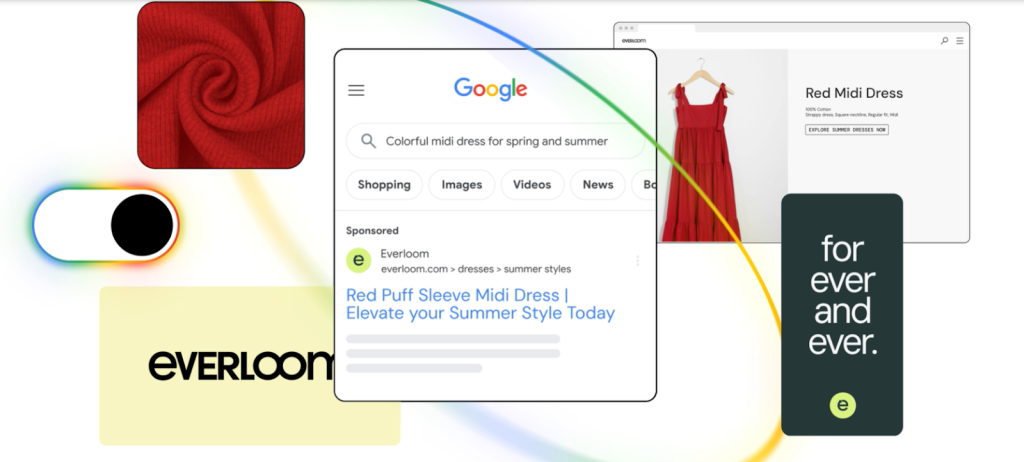
This feature uses text customization and Final URL Expansion to match your messaging and landing pages to user intent. Google will dynamically:
- Tailor headlines and descriptions using generative AI
- Choose the best landing page based on query relevance and predicted performance
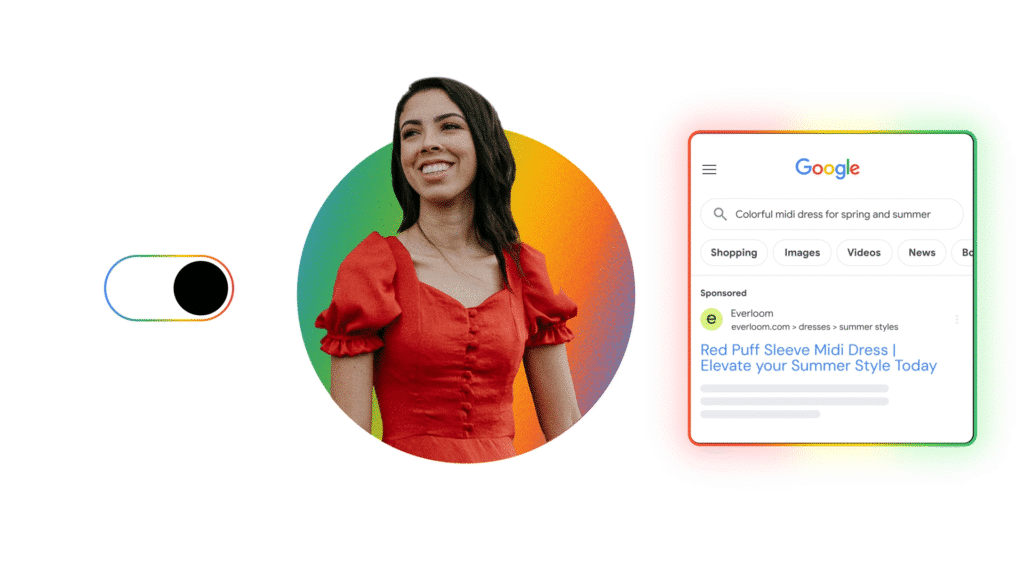
Google states that this will help to drive efficiency, reduce manual ad creation, and align user queries, ad copy, and conversion paths for better performance.
What to Know Before Activating
While AI Max is powerful, there are a few important considerations:
- It’s not yet fully supported by the Google Ads API or Editor, so automated workflows may need review.
- Final URL Expansion and text customisation must be enabled together; pinned assets may not always serve.
- Reporting is different, with new match types and data views to help understand AI-driven performance.
Activating AI Max also upgrades existing campaign settings like broad match, brand controls, and text customisation, consolidating them under one intelligent system.
How to Get Started
The initial set up is activated through enabling a setting in your existing Search campaigns. Setting up AI Max requires reviewing campaign readiness, enabling the feature in campaign settings, and monitoring performance through enhanced reporting tools. Start with campaigns that already leverage broad match or automatically created assets for a smoother transition.
Once enabled, AI Max offers:
- Ad group-level controls for brand and location targeting
- Campaign-level asset and URL optimization settings
- Detailed performance reports showing where and why AI is making targeting decisions
These controls allow for smarter automation without losing visibility or precision.
Final GA’s Thoughts
Whilst AI Max for Search is likely the next step in intelligent, automated, performance-driven advertising, like all new features we would suggest trialling it as part of a structured test & learn approach. For brands aiming to improve ROAS, reduce manual effort, and stay competitive in a fast-evolving landscape, AI Max can deliver scalable value. However, that can come at the expense of fully-transparent reporting and brand protection, especially in regards to the all-new keywordless targeting functionality.
As with most major product releases, they are likely to work best with accounts where there are clear data measurement strategies in place, with real-time conversion insights being fed back to power the bidding algorithm.
The most exciting feature, from our viewpoint, is the “Locations of Interest” – allowing you to target one country through the regular campaign settings, then an additional market at ad group level. This could in theory be a powerful optimisation tool for travel and hospitality clients, as a hotel in Rome could target users in the UK who have an interest in Italy, for example.
Summary
Now is the time to rethink your Google Ads strategy and start to test the automation that’s reshaping the industry. The future of campaign performance is here — and it’s powered by AI.
If you’d like to speak to our Paid Media experts about how we can support you navigate the changing search landscape, please get in touch with us today.

Article author

Chiara Riva
Business Development Assistant