
















OpenAI’s release of ChatGPT Atlas introduces a more integrated way for users to search, browse and interact with information. While Atlas represents an evolution rather than a dramatic break from existing AI search tools, it does signal a steady shift in how people discover content and make decisions online.
For marketers, this development is relevant because it influences how information is retrieved, how brand content is summarised, and where paid visibility may appear within AI-driven environments. Below is a practical overview of what Atlas changes and the adjustments brands should begin considering.
How Atlas Adjusts Discovery and Search Behaviour
A More Guided, Consolidated Search Experience
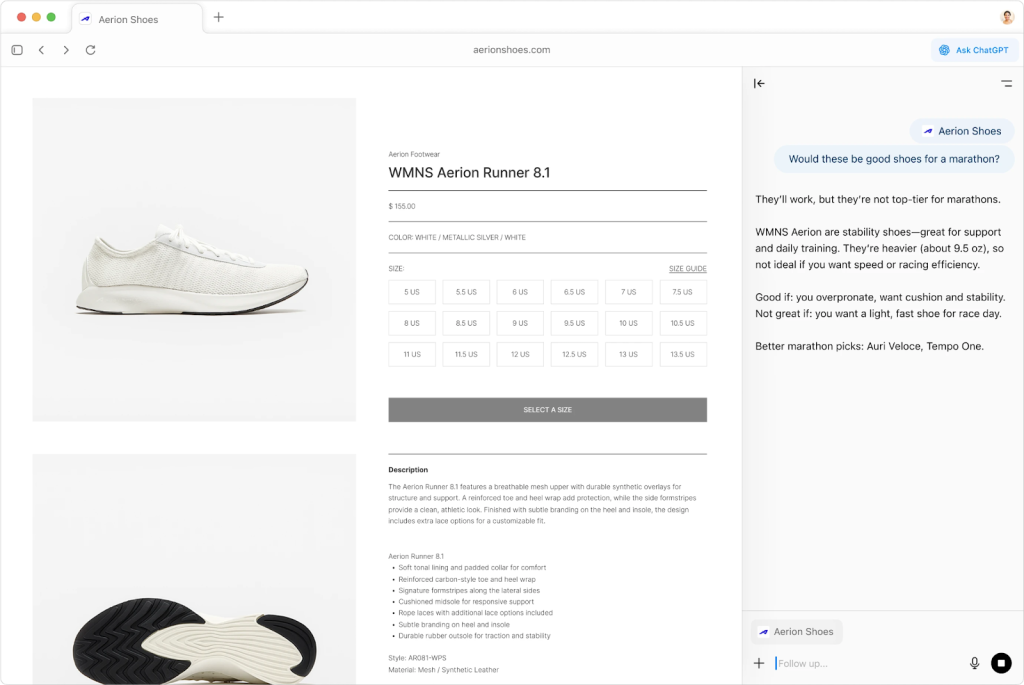
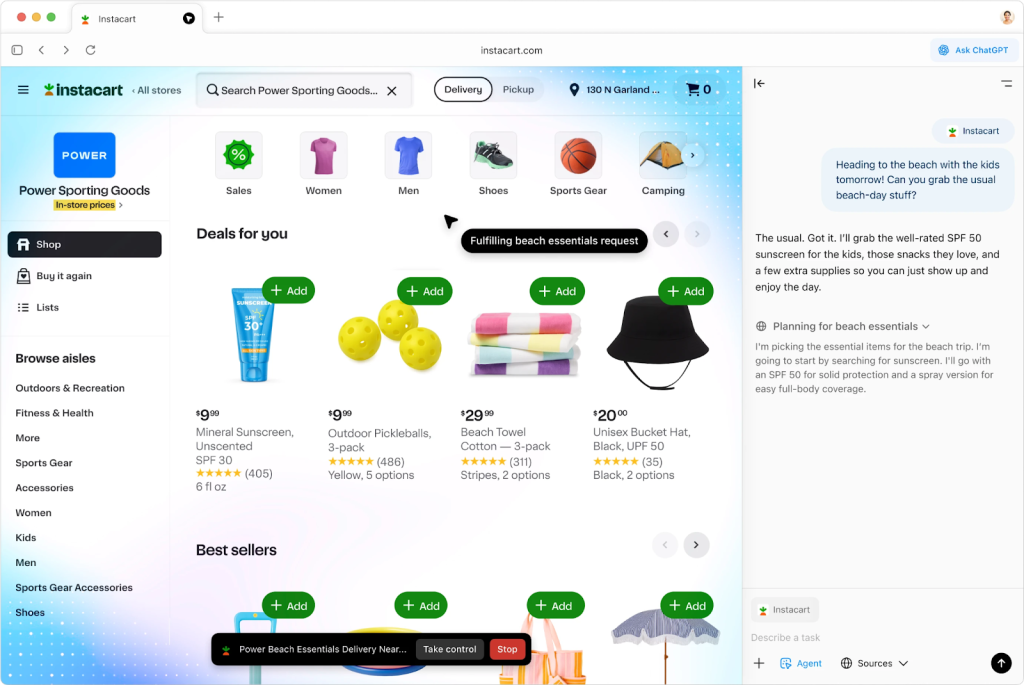
Atlas blends browsing, comparison, summaries and conversational answers in one interface. Users can follow an entire decision-making path (from initial query to deeper exploration) without switching tabs or refining keywords. This shifts search behaviour gently toward AI-mediated interpretation, where the system selects, summarises and contextualises information on the user’s behalf. The change is incremental rather than dramatic, but it signals a continued movement toward AI-assisted search journeys.
Implications for SEO: Structure and Clarity Become More Important
SEO Shifts Toward Semantic and Verifiable Content
As Atlas relies on models to organise and explain information, content that is structurally clear, semantically coherent and verifiably accurate becomes more likely to be referenced. Pages with strong definitions, consistent product data, logical internal linking and clean technical foundations tend to perform better because they give the model reliable signals to work with. Traditional SEO principles still matter, but their role is increasingly to help AI interpret rather than simply index content.
GEO (Generative Engine Optimisation) Gains Relevance
GEO extends this thinking. Brands benefit when their information is presented in a way that reduces ambiguity and increases the likelihood that AI systems summarise them correctly. This means ensuring claim accuracy, aligning definitions across all sources, maintaining consistent product descriptions and reducing any contradictions between owned and third-party content. Generative Engine Optimisation is not a replacement for SEO but a natural next step as AI-driven discovery becomes more common.
Paid Media: Expansion, Not Replacement
AI-Native Placements Within Conversational Journeys
Atlas adds potential advertising surfaces within summaries, product comparisons and explanatory responses. These formats will not replace existing performance channels, but they introduce a new set of placements that can coexist with traditional search and social. Over time, advertisers can expect to use Atlas much like they use other AI-driven discovery surfaces: as an additional environment where audience intent is inferred through conversation and context rather than keywords.
Data Quality Influences Ad Relevance
Strong data quality will underpin effective advertising within Atlas. Clean product catalogues, accurate feeds and consistent messaging make it easier for AI systems to understand what an advertiser offers and when it is relevant. This mirrors the direction taken by other major platforms, where improved data structures increase the likelihood of accurate and useful ad delivery.
Brand Representation: Accuracy and Consistency Matter More
Atlas Relies on Public Information to Describe Your Brand
AI-generated summaries depend on what is available across the web. A brand may be described using information from its website, reviews, external platforms or other publicly accessible sources. Any inconsistencies across these surfaces can lead to inaccurate or incomplete summaries. For this reason, maintaining a coherent and aligned information footprint becomes an important aspect of brand governance.
Monitoring Becomes Part of Standard Practice
Brands may wish to routinely observe how Atlas presents their products, how it compares them with competitors and whether the core differentiators are correctly captured. This is an extension of existing digital reputation management practices, but AI-driven environments heighten the need for clarity, accuracy and regular updates.
Practical Actions for Your Brand
Strengthen Content Structure and Technical Foundations
A well-organised site with clear architecture, logical headings and consistent markup will make it easier for models like Atlas to interpret your information. Reliable technical SEO remains a useful foundation for this work, ensuring the system can access, understand and validate the underlying content.
Prepare Content for GEO Requirements
Generative models reward content that is precise, current and unambiguous. Ensuring that product details, brand definitions and factual claims are aligned across all channels helps Atlas generate summaries that accurately reflect your offering. This discipline supports both organic visibility and paid relevance within AI environments.
Consider How Paid Media Fits Within AI-Led Environments
Paid media strategies should be adapted to include future conversational ad formats and contextual placements. Teams may need to develop creative assets designed for these environments, supported by robust product feed hygiene and strong consistency between ads and landing pages.
Strengthen Brand Governance Across AI Systems
As AI systems play a larger role in content interpretation, brands need to maintain oversight of how they are represented. This involves reviewing summaries for accuracy, correcting outdated information where possible and ensuring that all publicly available content reflects the brand’s current positioning.
Continue Prioritising First-Party Data and Privacy Standards
Atlas and similar systems benefit from clean, consented and reliable data signals. Maintaining strong privacy practices and ensuring the quality of first-party datasets will support both personalisation efforts and AI-driven discovery.
Emerging Considerations for Traffic Quality and Measurement
AI-Like Behaviour Within a Browser Environment
Early testing from Search Atlas indicates that the ChatGPT Atlas browser can navigate websites in a way that closely mirrors real human behaviour. Because Atlas operates on a Chrome-based framework, its interactions are currently treated by ad platforms and analytics systems as standard user sessions rather than automated activity.
Potential Impact on Paid Media Performance
If Atlas interacts with paid ads or triggers on-page events, those actions can influence campaign spend and performance metrics. Clicks generated by an AI agent may increase CPC costs, introduce noise into optimisation signals and affect automated bidding strategies that depend on clean behavioural data.
Effects on Analytics and Measurement
Analytics platforms may also record Atlas sessions as genuine visits. This can lead to inflated traffic numbers, unusual engagement patterns or discrepancies between clicks and conversions. These distortions make it harder for teams to assess real user behaviour and determine the true effectiveness of campaigns.
How Brands Should Respond
Although this issue remains at an early stage, it highlights the value of ongoing monitoring. Teams should watch for unexpected spikes in traffic or performance shifts that do not align with campaign changes. When irregularities occur, collaborative review between analytics, paid media and platform teams is recommended. Major platforms are expected to introduce clearer standards for distinguishing human from AI-driven activity, but for now, vigilance and data validation offer the most practical protection.
Conclusion
ChatGPT Atlas introduces a more integrated and conversational approach to exploring information online. It does not fundamentally replace search, but it provides an alternative environment where AI assists users in understanding topics, evaluating products and navigating decisions.
For brands, the most effective response is measured and practical: strengthen data clarity, refine content structure, ensure consistent brand information and prepare for emerging AI-native ad formats. These adjustments will help brands remain visible and accurately represented as AI-assisted search continues to evolve.

Article author

Chiara Riva
Business Development Assistant