

















Geographic boundaries no longer confine businesses in today’s interconnected world. The digital revolution has opened up vast opportunities for companies to reach and engage with global audiences.
However, with this expansion comes the challenge of effectively communicating across diverse linguistic and cultural landscapes. This is where multilingual digital marketing becomes a critical strategy for success.
Let’s discover what multilingual digital marketing is exactly, its importance, and its efficient strategies to boost engagement and drive international growth.
What is Multilingual Digital Marketing?
Multilingual Digital Marketing Definition
Multilingual digital marketing refers to the practice of creating and managing digital marketing campaigns in multiple languages to reach a global audience.
This approach recognises that different linguistic groups may have different cultural preferences, behaviours, and communication styles and tailors marketing efforts accordingly.

The Key Components of Multilingual Digital Marketing
Critical components of multilingual digital marketing include:
Content Localisation
Content localisation is about adapting your digital marketing content—website copy, social media posts, email newsletters—and considering cultural nuances, local idioms, and relevant context for each target market.
SEO and SEM
Conducting search engine optimisation (SEO) and search engine marketing (SEM) in multiple languages will ensure that content ranks well in search results for various languages and regions.
Social Media Management
Managing social media accounts in different languages will help you engage with audiences on popular platforms in different regions. This may involve creating region-specific content and interacting with followers in their native languages.
Email Marketing
Email marketing involves creating, managing, and optimising email campaigns to reach and engage audiences in different languages and regions.
Paid Advertising
Running multilingual pay-per-click (PPC) campaigns on platforms like Google Ads, Facebook Ads, and other local advertising networks is also one of the key components of multilingual digital marketing. This includes creating ad copy and visuals that resonate with different linguistic audiences.
Customer Support
Customer support should consist of offering multilingual client service online so you can assist customers in their preferred languages. This can include live chat or email support.
Analytics and Reporting
Lastly, this part includes tracking and analysing the performance of digital marketing campaigns across different languages and regions. This helps in understanding the effectiveness of campaigns and making data-driven decisions for future efforts.
Looking to boost your global presence? Explore our multilingual SEO services and international PPC services designed to enhance your brand visibility and drive engagement across all online platforms.
When Should a Business Use Multilingual Digital Marketing Strategies?
Generally, businesses undertake multilingual marketing strategies in two situations:
- As part of a global marketing campaign, to enter foreign markets and gain new potential customers.
- When the customers in the targeted market speak more than one language. In the Swiss market, for instance, there are four languages spoken: German, Italian, French and Romansh.
In either situation, adopting a multilingual marketing strategy benefits businesses by effectively reaching and engaging with a broader audience, enhancing their global presence, and driving better results in international markets.
Why Is Using Multilingual Digital Marketing Strategies Important?
Using multilingual digital marketing strategies can be necessary for many reasons. Let us list the most important ones:
The Digital Language is Changing
English has always been considered the lingua franca of the Internet. Probably because that technology was developed in English-speaking countries and adopted first by English speakers.
English is also the world’s most commonly taught second language and is used extensively in academia, diplomacy, and of course, international business. As of January 2024, English was still the most popular language for web content, representing more than 50% of websites.
However, the explosive growth in Internet usage over the last decades has impacted the nature of online content. Internet usage is not only related to websites today, but also to social media, for instance.
In 2023, China and India led the world in social media usage. By 2029, the number of social media users in China is expected to exceed 1.2 billion, and in the next few years, India will become the largest audience, reaching 1.3 billion.
Also, Nigeria’s online networking audience is expected to increase by over 142% between 2023 and 2029. This growth in Internet usage is occurring in emerging markets, where English is not the primary language.

People Prefer to Buy in Their Own Language
As the Internet is more accessible worldwide, the use of local languages is likely to increase, especially because people feel more comfortable communicating in their own language. According to a survey in 2020, 73 percent of global consumers preferred product reviews in their native language when shopping online.
This is why many businesses are trying to develop tools and new technologies, to translate their websites and their social media platforms. The goal? To make it easier for non-English speakers to access information and buy their products or services.
Keeping a Competitive Advantage and Improve Revenue Growth
Companies that invest in multilingual marketing strategies can gain a competitive edge over those that do not. By addressing the needs of non-English-speaking customers, businesses can differentiate themselves and capture market share from competitors.
As a direct consequence, people in these new markets are more likely to engage with content in their native language. Multilingual marketing strategies will foster better engagement and stronger relationships, finally driving significant revenue growth. Access to new markets means additional sales opportunities and increased profitability.
Eager to tap into new markets? Check out our multilingual digital marketing services and discover the best practices for boosting your global online presence.
What Are Efficient Multilingual Digital Marketing Strategies?
There are actually effective strategies for each key component of multilingual digital marketing:
Multilingual Digital Strategies for Content
“Transcreate” Your Writing Content
Localisation vs translation is a key topic for multilingual strategies. As each language has its own nuances and cultural expectations, it is necessary not to translate your content verbatim, but try to localise and adapt it to reflect cultural nuances and idiomatic expressions. The US consumers might be more attracted to ads with conceptual and emotional appeal, while German consumers might prefer ads with numbers and short, punchy language.
Adopt Localised Visuals
Adapt images, videos, and other visuals to align with cultural norms and preferences. This includes considering culturally relevant colours, symbols, and imagery. In China, red is associated with luck, prosperity, and happiness, making it a popular choice for festive occasions and advertisements. Conversely, in some African countries, red can signify mourning and death. Understanding the visual nuances is crucial for the success of your multilingual digital marketing strategy.
Create a Blog Section on Your Website for Each Target Language
Creating a blog has many advantages, from expanding your reach and improving SEO to enhancing user experience and engagement. Content that sounds native enhances brand credibility and trust among local audiences.
Hire a Native Content Writer in Your Team or an International Agency
Native speakers have a command of the language that goes beyond grammatical accuracy. They understand idiomatic expressions, slang, and colloquialisms, ensuring content feels natural and authentic.
Multilingual Digital Strategies for SEO and SEM
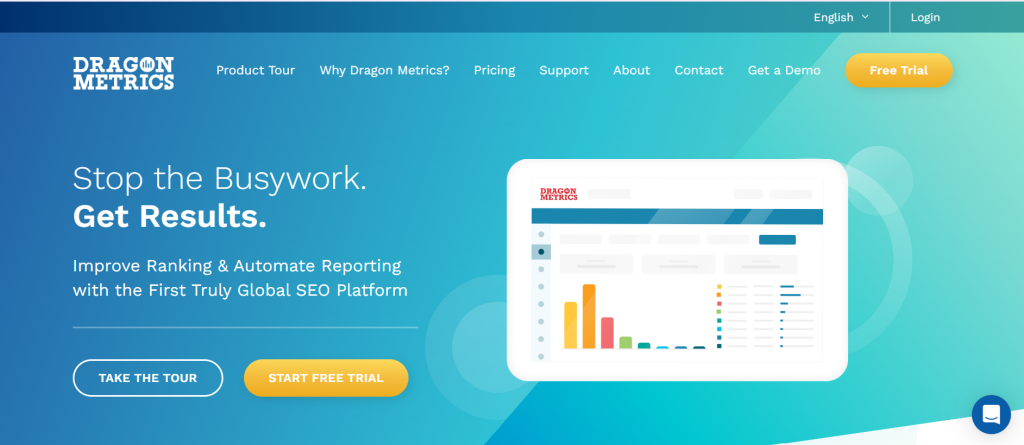
Conduct Keyword Research for Each Target Language
This will help you understand how users search in different regions. You will be able to use the right local search terms and phrases that will help you optimise your content.
Adopt Localised Metadata
Ensure your meta titles, descriptions and tags are translated and optimised for local search engines.
Hire a Native SEO Expert in Your Team or an Agency
SEO-skilled native speakers can conduct more effective keyword research, identifying terms and phrases that locals actually use, which improves the relevance and ranking of content in search engines.
Multilingual Digital Strategies for Social Media Management
Identify your Target Customers’ Social Platform
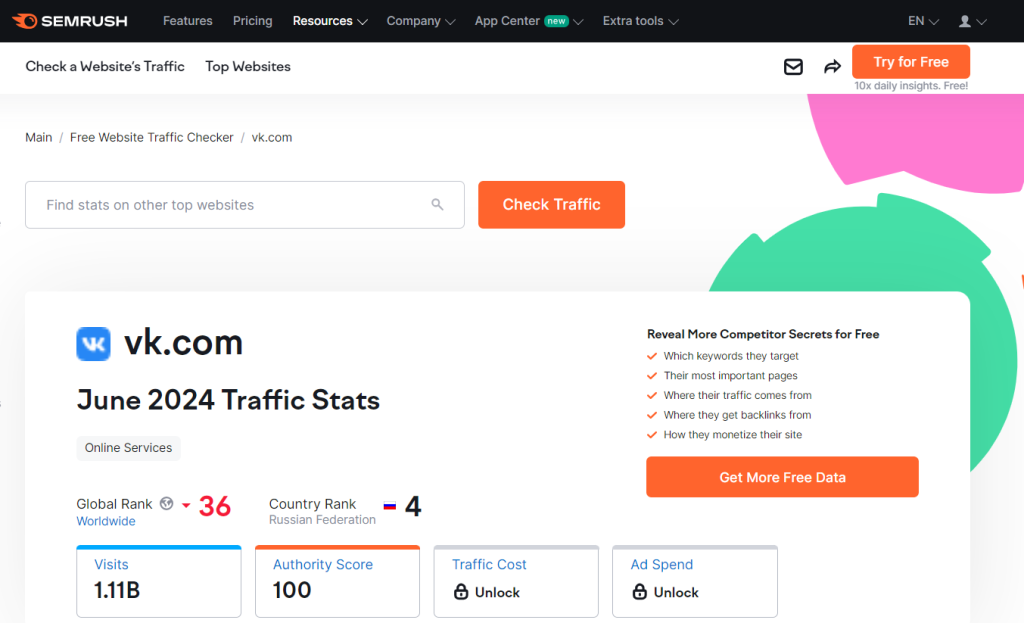
The first step is to identify the social platform where your potential customers spend the most time. In China, for instance, WeChat is very popular, while in Russia, the platform VKontakte was the 4th most visited website in the country in June 2024, according to Semrush.
Watch the Social Trends
Stay informed about cultural and social trends in the regions of your customers. Social media trends can vary between countries, and you’ll need to align with those trends to help your brand resonate with the local audience.
It can be a trending hashtag on Instagram in the country, a popular local song to use on TikTok, or, again, a famous filter to use on Snapchat, designed for a local event, for example.
Realise Partnerships With Local Influencers
Your brand has to collaborate with local influencers, businesses and organisations to strengthen its presence in the region. Local partnerships will actually help increase your brand’s visibility and also give it more credibility.
Multilingual Digital Strategies for Email Marketing
Create Email Lists by Country/Language
Your email lists have to be separated according to language or region. This way, the customers won’t receive any irrelevant news.
In Europe, for example, the summer and winter sales do not start on the same date in all countries. You won’t send your email for the sales on the same date for France and Belgium, for example (even if the French language is used inside both countries!).
Pay Attention to the Clock
Global audiences open their mailbox in different time zones. When you send an email in Europe during business hours, you’ll have to send it around six hours before in Asia. and six hours later in North America.
Create a Seamless Customer Experience
Every part of your email has to be localised, and the user’s journey after clicking should be localised, too. Don’t create a broken experience by taking him back to the English or original language website; instead, take him to the native language website.
Know Which Devices is your Audience Using
Usually, when readers use a mobile phone or tablet, they’ll prefer shorter captions. On the other hand, users on their computers might prefer longer content like articles or long forms.

Multilingual Digital Marketing Strategies for Paid Advertising
Use Localised Ad Copy
Create ad copy that is tailored to each language and cultural context. Test different messages to see what works best in each market. The good news? Usually, non-English keywords have a lower cost-per-click!
Use Geo-targeting and Audience Segmentation
Use geo-targeting and audience segmentation to reach the right users in different regions.
Multilingual Digital Customer Support Strategies
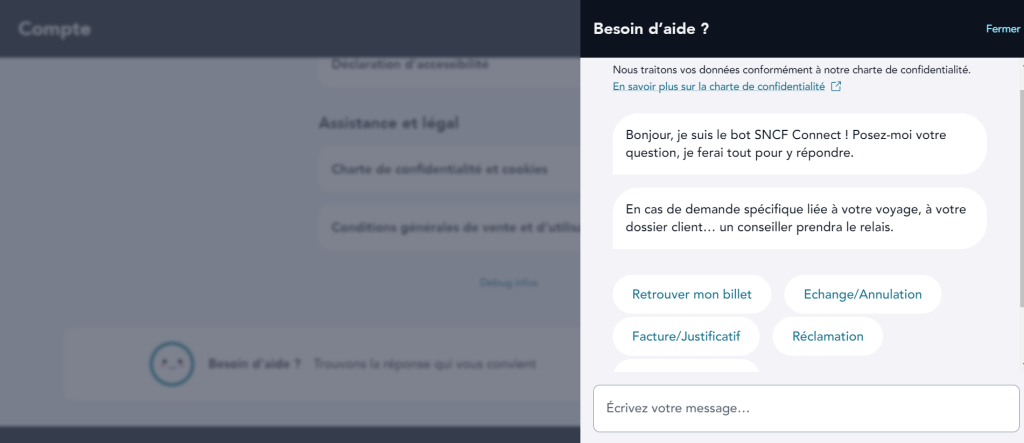
Implement Multilingual Chatbots
Implement chatbots that can communicate in multiple languages to provide instant support.
Hire Local Support Teams
Hire or train customer support teams to handle inquiries in different languages.
Multilingual Digital Analytics and Reporting Strategies
Localised Analytics
Use analytics tools that allow you to track performance by region and language. This will help you understand what works in each market.
Use A/B Testing
Conduct A/B tests for different languages to optimise content and strategies based on performance data.
For each of these key components, you’ll need two things:
1) To hire a local team or work with a professional international agency: You might need native content writers, native SEO experts, or a native customer support team. However, if you can’t or don’t want to hire, contacting an international digital marketing agency able to support your goals in expanding your business to global markets is always a great solution.
2) To pay attention to legal and regulatory local compliance: Always be aware of privacy laws, advertising regulations and other legal considerations before using multilingual digital marketing strategies. Failure to comply can cause reputational damages but above all, legal consequences.
Conclusion
Multilingual digital marketing offers a powerful approach to engaging multiple audiences. By implementing well-planned strategies, businesses can expand their reach, enhance customer engagement, and drive substantial growth in international markets.
Through content localisation, multilingual SEO, culturally tailored social media campaigns, personalised email marketing, effective paid advertising, local customer support, and adapted reporting, companies can create a resonant and impactful presence across the globe.
Are you seeking a multilingual team to help you target and localise your digital marketing strategies? Reach out to GA Agency and benefit from their expertise in the nuances of different countries, languages, and cultures, and receive tailored solutions that suit your business needs.

Article author

Chiara Riva
Business Development Assistant