
















Table of Contents
The Biggest Paid Media Trends for 2025
The landscape of paid media is constantly evolving, driven by advancements in technology, shifting consumer behaviors, and a greater emphasis on personalised advertising experiences. As digital marketing platforms continue to innovate, 2025 is set to be a pivotal year for paid media strategies with a blend of new tools, enhanced targeting techniques, and immersive ad formats which will change how brands connect with their audiences. Dominant platforms like Google, Facebook, or TikTok are introducing new features that will not only transform ad delivery but also offer fresh opportunities for advertisers.
Advertisers who stay ahead of upcoming trends will be poised to adapt to the rapidly changing digital environment. From AI-driven targeting and automation to the rise of immersive augmented reality ads, the next wave of paid media will be defined by new capabilities and consumer expectations.
AI Trends
Both new and existing AI-driven optimisations are set to continue challenging traditional campaign setups in 2025, allowing for more outcome-focused automations to increase media efficiency. As each year brings in new advancements in AI, it is crucial for marketers to not only stay on top of this evolving field but also take the initiative to explore various applicable solutions to ensure media effectiveness. Although AI capabilities are limitless, it also comes down to the extent of control that advertisers will relinquish for the sake of driving results.
AI has brought in a new era of an evolving automated media landscape, both in terms of available campaign and targeting types, and we have only begun to scratch the surface of its full potential. One of its most prominent advantages lies in how personalised it can be, helping businesses tailor messaging to their target audience. However, marketers should ensure they are leveraging AI in the right way and using it to its maximum efforts – WIth how intuitive technology has become, social feeds are able to curate content so accurately based on the user’s preferences and behaviours that users are only exposed to content they are already known to like. This has resulted in less of a need to click through, as people can scroll for hours on end without feeling urged to click on any of the content they see. This is further proven in a study conducted in the European Union and the United States, where 60% of Google searches ended up with no clicks at all.
So how exactly do we cut through the noise? The study goes on to reveal that 81% of consumers claim that brands should deliver content that takes them by surprise in unexpected ways in order to capture their attention and earn their loyalty. With these findings, it is increasingly vital for brands to provide value through their ads by making sure that their content is discoverable and personalised enough to meet users where they are and capitalise on their micro-moments. Features like Meta’s Advantage+ will continue to be pushed, as Meta insists that this can help advertisers achieve better results compared to manually targeted ads.
Struggling to maximise returns on paid media? Our strategic, data-driven approach ensures you reach the right audience at the right time. Let’s connect!

Image from Freepik
Voice Search Optimisation
With the growing popularity of virtual assistants such as Siri or Alexa in recent years, we’ve seen a significant rise in the number of voice searches around the world. This demand has likely been driven by the convenience and efficiency that using voice searches offers, as more and more people are incorporating these virtual assistants into their daily lives – whether it’s on their mobile devices or in-home smart speakers, we can’t deny the trend of voice searches starting to become integral to the customer journey from a marketing perspective.
According to data, around 20.5% of people worldwide currently use voice search, and statistics from Google supports this notion, stating that 27% of people use voice search on their mobile devices. With that said, there is a need for businesses and marketers alike to ensure their strategies align with this shift.
With voice searches, it’s important to note that these queries are generally longer and more conversational as opposed to traditional text-based searches. Our targeted keywords should be able to mimic the way people normally speak rather than how they type to ensure that our campaigns are effective.
Voice searches also often begin with ‘Who’, ‘What’, ‘When’, ‘Where’, ‘Why’, or ‘How’, which is an important factor to consider when strategising your campaigns’ keywords. An example would be to target ‘How to motivate and develop your team’ instead of simply ‘team development’.
However, as always, all businesses are different and should be treated with a tailored approach. With that said, these types of keywords could serve as a test against shorter and more straightforward keywords to assess which drives stronger results.
Interactive and Immersive Ads
Immersive and interactive ads are poised to become a dominant trend in 2025, as advertisers seek to create more engaging and memorable experiences for users. This shift is largely caused by advancements in augmented reality (AR) and virtual reality (VR), which allow users to interact with ads in ways that were previously impossible.
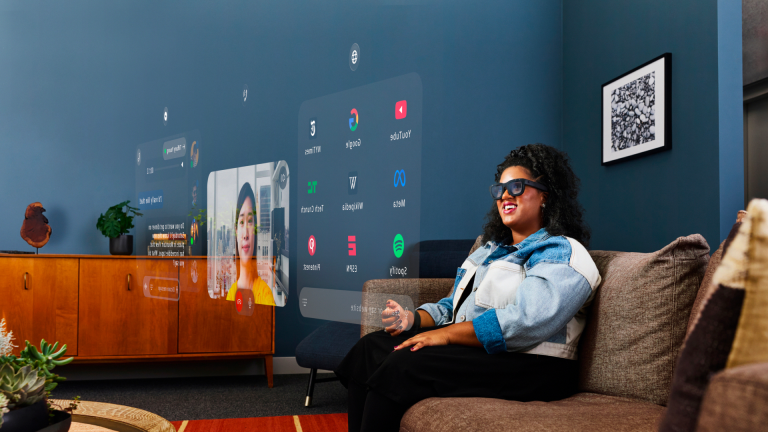
In September 2024, Meta launched its Orion AR Glasses, marking a new era in augmented reality advertising. These glasses allow users to interact with digital overlays in real-time, such as viewing 3D product demos or receiving location-based offers. This type of “always-on” AR advertising will enable brands to create experiences that are deeply integrated into users’ physical environments, offering a much higher level of engagement compared to traditional ads. Imagine walking into a store and seeing a holographic display of the latest sneakers, or receiving virtual discounts based on your location.
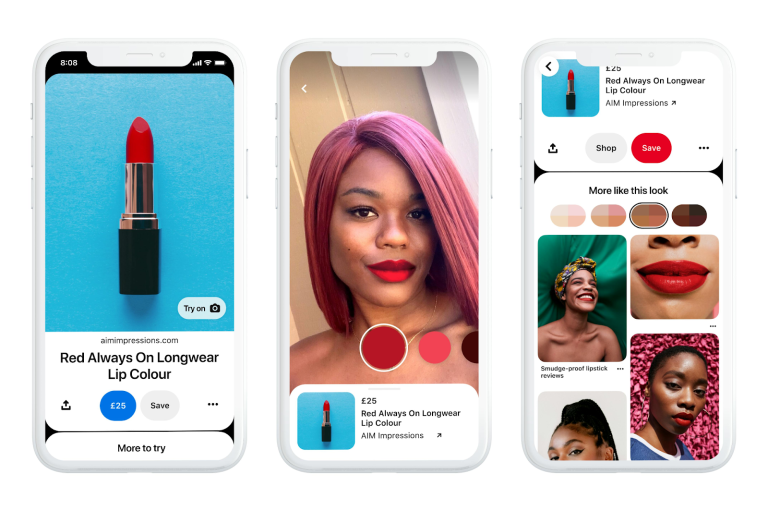
Snapchat has already been experimenting with Sponsored Lenses, which let users engage with AR content. This trend is expected to expand, and other platforms like TikTok and Pinterest will follow suit, offering immersive and interactive ad formats that allow users to try products virtually, whether it’s trying on makeup or visualising furniture in their homes. Pinterest’s AR Try-On for home decor, which lets users see how furniture fits in their spaces, has already proven successful in driving engagement and increasing conversion rates.
As consumers become more accustomed to AR experiences, advertisers will need to invest in interactive ad formats to stay relevant and capture their audience’s attention.
Privacy and Data Protection
Privacy and data protection continue to be critical concerns in digital advertising, with stricter regulations shaping paid media strategies. Policies like Apple’s App Tracking Transparency (ATT) within its IOS 14 marked significant shifts, compelling advertisers to adapt to more privacy-conscious approaches.
As privacy laws evolve, first-party data has become the cornerstone of advertising strategies. Platforms like Google Analytics 4 are helping businesses comply with regulations by promoting data collection directly from users through opt-in interactions.
However, the shift towards zero-party data, which consumers willingly share through preferences and interactions, is also gaining traction. A report by Forrester in 2018 also notes, “Ultimately, zero-party data can reduce marketing waste for a brand and improve the lives of its customers – a win-win situation for everyone involved”.
Finally, Meta recently announced new policy changes set to come into action in early 2025, rules that will limit advertisers’ access to data related to health & wellness, financial services, and politics. This will impact advertisers massively in terms of data collection and tracking, as online activities such as add-to-carts or purchases will no longer be accessible for these verticals.
Advertisers are bracing for impact with these various updates, and will need to build more transparent relationships with users by offering clear privacy choices while delivering relevant, non-intrusive ads. Keeping pace with these changes is essential for brands to maintain consumer trust in 2025 and beyond.
From precision-targeted campaigns to data-driven optimisations, check our Paid Media Services and learn how they help you reach the right audience at the right time.
Maximise your brand’s impact with a data-driven paid social strategy. From precise audience targeting to ad optimisation, GA Agency helps you turn social media into a high-performing growth channel. Let’s talk!
Videos & Short-Form Content
As we approach 2025, video content continues to dominate the digital advertising landscape, with short-form videos becoming increasingly integral to paid media strategies. Consumers are demanding faster, more engaging content, which is prompting advertisers to rethink how they capture attention. The trend toward shorter, more digestible video formats can be attributed to the massive growth of platforms like TikTok, Instagram Reels, and YouTube Shorts, where users spend significant time engaging with quick, bite-sized content.
With their ability to deliver concise, attention-grabbing messages, short-form videos enable advertisers to create compelling narratives in seconds. This type of content is also ideal for mobile-first experiences, where users are often on the go and prefer easily consumable content. As more platforms like Pinterest and Snapchat incorporate short-form video ads, brands will be required to adapt their creative strategies for these fast-paced formats.
By 2025, shoppable videos—where consumers can purchase directly through the video interface—are also expected to become more mainstream, offering a seamless path from discovery to purchase. This trend aligns with the growing shift toward e-commerce within social platforms.

Key Takeaways
As we approach 2025, the world of paid media will be driven by rapid innovation and technological advancements. To stay competitive, marketers will need to harness the power of AI for smarter targeting, optimise their strategies for voice search, and embrace immersive ad formats like AR and VR to deliver truly interactive experiences. The rise of social commerce and video content, alongside the increasing importance of privacy and data protection, will define the paid media landscape.
Staying ahead of these trends requires flexibility, creativity, and a deep understanding of emerging technologies. The brands that succeed will be those that invest in the future, adopting new strategies and platforms to engage their audience in novel and meaningful ways. By doing so, they will not only capture attention but also build lasting connections with their consumers in the increasingly crowded digital marketplace.
Seize new opportunities with expert support. GA Agency is here to help you grow smarter and faster. Contact us today!

Article author

Chiara Riva
Business Development Assistant